EN
EN
 jp
jp  ko
ko  fr
fr  de
de  es
es  it
it  ru
ru  pt
pt  ar
ar  th
th 
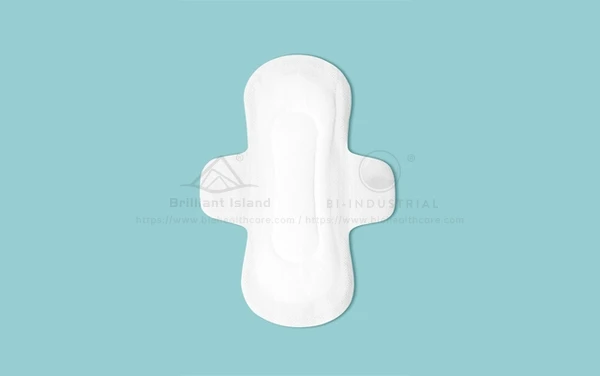
Mini pads and panty liners normally use at least two adhesive functions: construction adhesive to hold internal layers together and garment adhesive to keep the finished product attached to underwear. The formulation, coat weight, pattern, temperature, substrate, and release system must be optimized together. A strong adhesive is not automatically a good adhesive if it leaves residue, damages fabric, blocks breathability, or makes the product stiff.
| Adhesive function | Bonded surfaces | Main performance need |
|---|---|---|
| Construction adhesive | Topsheet, tissue, core, backsheet, acquisition layers | Internal integrity with low stiffness and controlled add-on |
| Garment adhesive | Backsheet to underwear | Stay in place during wear and clean removal afterward |
| Wrapper or pack adhesive | Paper/film packaging components | Seal integrity, easy opening, ageing stability |
Hot-melt systems can be applied rapidly without water or solvent drying. They develop tack as they cool and can be coated as beads, lines, spirals, slots, or transfer patterns. The application window must match line speed and the heat sensitivity of the film or nonwoven substrate.
Viscosity that is too high can create poor transfer or stringing. Excessive temperature can oxidize the adhesive, increase odor, damage films, or create char that blocks nozzles. Low temperature may produce incomplete wet-out and weak bonding.
A long central strip is simple, but it may not control edge curling in very narrow or flexible products. Multiple lines or patterned coverage can improve stability while leaving uncoated zones for flexibility and vapour movement. Wider coverage increases bond area but can make release difficult on delicate fabrics.
The pattern should be developed with representative underwear materials. Cotton, microfiber, elastane blends, lace, and heavily finished fabrics can behave differently. A single peel value on a stainless-steel panel is not enough.
Residue can occur when the adhesive bond to the garment is stronger than its bond to the backsheet, when the adhesive softens during hot storage, when coat weight is excessive, or when the backsheet surface has poor compatibility. Ageing, oils, detergents, fabric finishes, and repeated body movement also influence removal.
A robust system balances peel and shear. Peel supports removal; shear resistance helps the product resist sliding during wear. Both should be evaluated after heat ageing and at the end of the intended shelf life.
Adhesive is often less permeable than the surrounding material. Full-area coating can reduce flexibility and block part of a breathable film. Construction adhesive can also create hard lines that are noticeable through an ultra-thin core. Lower add-on or open patterns may improve comfort, but only if layer integrity and stay-in-place performance remain acceptable.
Adhesive coat weight and pattern registration
Initial tack and peel from representative fabrics
Shear or movement resistance during simulated wear
Clean removal and residue assessment
Release-paper peel consistency
Heat, cold, humidity, and shelf-ageing stability
Odor, colour change, stringing, bleed-through, and film distortion
Product moves during wear: review coat weight, pattern area, adhesive grade, backsheet surface, and product shape. Liner tears during removal: check backsheet strength, adhesive level, peel angle, and bond to the product. Release paper lifts early: review release value, dust, application temperature, and winding pressure. Glue strings at cut-off: inspect nozzle condition, temperature, viscosity, and timing.
Define adhesive supplier or approved grade, application temperature range, coat-weight tolerance, pattern drawing, release material, test fabric set, peel and residue limits, storage conditions, and change-control requirements. Do not accept an undocumented adhesive substitution because it can alter both performance and odour.
BI-Ehealthcare can align adhesive patterns with panty liner and mini sanitary pad designs through its OEM development process.
Many disposable liners use hot-melt pressure-sensitive garment adhesive, while separate construction adhesives bond the internal layers.
Possible causes include low coat weight, poor pattern coverage, incompatible backsheet surface, heat ageing, product curling, or unsuitable underwear fabric.
Not always. Excess adhesive may leave residue, reduce breathability, increase stiffness, or make removal difficult.
The product is applied to representative fabrics, conditioned or aged, removed at a defined angle and speed, and visually or instrumentally assessed for transfer.
Yes. The formulation and application can be selected for heat stability, but the finished product and packaging should be validated under transport and storage conditions.
BI-Ehealthcare supports OEM and ODM feminine hygiene projects covering material selection, absorbency design, sample development, packaging, quality control and export coordination. Contact BI-Ehealthcare with your target market, size, absorbency, pack count and expected order volume.