EN
EN
 jp
jp  ko
ko  fr
fr  de
de  es
es  it
it  ru
ru  pt
pt  ar
ar  th
th 
Manufacturers of men's incontinence guards must comply with different regulatory frameworks depending on their target markets. In Europe, men's guards are generally regulated under the Medical Device Regulation (MDR) and require CE marking before being sold. In the United States, men's guards intended for managing urinary incontinence are regulated by the FDA as medical devices and must meet FDA registration, quality system, labeling, and applicable premarket requirements. While both systems prioritize product safety, performance, and quality, their approval pathways, documentation requirements, and post-market obligations differ significantly.
For private label brands, distributors, and buyers sourcing incontinence pads wholesale, understanding these differences helps reduce compliance risks, accelerate market entry, and ensure long-term product quality.
| Requirement | CE (European Union) | FDA (United States) |
|---|---|---|
| Governing Regulation | EU Medical Device Regulation (MDR 2017/745) | Federal Food, Drug, and Cosmetic Act |
| Market Access | CE Mark Required | FDA Registration & Listing |
| Quality Management | ISO 13485 strongly expected | FDA Quality System Regulation (QSR) / QMSR |
| Technical Documentation | Technical File Required | Device Master Record & Documentation |
| Clinical Evaluation | Required under MDR | Depends on device classification |
| Labeling | MDR compliant | FDA labeling regulations |
| Post-market Surveillance | Mandatory | Medical Device Reporting (MDR) & Complaint Handling |
| Authorized Representative | Required for non-EU manufacturers | US Agent required for foreign manufacturers |
Men's guards designed for urinary incontinence are intended to absorb urine and help manage a medical condition. Because they directly affect patient hygiene, skin health, and quality of life, regulators treat them as medical devices rather than ordinary hygiene products.
Manufacturers must demonstrate:
Absorption performance
Skin compatibility
Biocompatibility
Material safety
Manufacturing consistency
Product traceability
This applies whether products are sold under an established brand or through OEM/ODM private label programs.
To sell men's guards in the European Economic Area (EEA), manufacturers must obtain CE marking in accordance with the EU Medical Device Regulation (MDR).
Typical compliance activities include:
Product risk assessment
Technical documentation
Clinical evaluation
Performance verification
Biological safety testing
Packaging validation
Label review
Post-market surveillance planning
Unlike older regulations, MDR places much greater emphasis on continuous product monitoring after commercialization.
A complete technical file generally includes:
Product specifications
Raw material information
Manufacturing process
Risk management report
Verification testing
Absorbency performance
Shelf-life validation
Packaging validation
Instructions for use
Clinical evaluation report
European authorities may review this documentation during conformity assessments.
Manufacturers are generally expected to implement ISO 13485-certified quality management systems.
Key processes include:
Incoming material inspection
Production controls
Process validation
Complaint handling
CAPA (Corrective and Preventive Actions)
Traceability
Supplier management
These systems help ensure product consistency across production batches.
Manufacturers exporting men's guards to the United States must complete:
FDA Establishment Registration
Device Listing
US Agent designation (for overseas manufacturers)
Registration alone does not indicate FDA approval but is a legal requirement for eligible medical device manufacturers.
FDA requires manufacturers to comply with quality system requirements covering:
Design controls (when applicable)
Purchasing controls
Process validation
Production monitoring
Complaint investigations
Device history records
Corrective actions
Internal audits
These requirements aim to ensure consistent manufacturing quality throughout the product lifecycle.
FDA labeling regulations require clear information regarding:
Intended use
Product description
Manufacturer information
Instructions for use
Warnings
Storage conditions
Lot identification
Improper labeling is one of the most common reasons for regulatory observations.
Although testing requirements vary by product design, manufacturers commonly perform:
Evaluates:
Total absorbency
Acquisition speed
Rewet performance
Leakage protection
These tests verify product performance under intended conditions.
Materials contacting skin should undergo evaluation for:
Skin irritation
Sensitization
Cytotoxicity
This is particularly important for products intended for prolonged wear.
Quality programs often include monitoring for:
Microbial contamination
Clean manufacturing environment
Raw material hygiene
Manufacturers verify that products maintain:
Absorbency
Adhesive performance
Packaging integrity
Material stability
throughout their stated shelf life.
Although both systems require extensive documentation, their focus differs.
| Area | CE | FDA |
|---|---|---|
| Technical File | Yes | Equivalent internal documentation |
| Clinical Evaluation | Extensive | Risk-based |
| Risk Management | ISO 14971 | Required within Quality System |
| Post-market Surveillance | Mandatory PMS Plan | Complaint handling & MDR reporting |
| Vigilance Reporting | EU Competent Authorities | FDA Medical Device Reporting |
Manufacturers selling globally often develop documentation that satisfies both systems simultaneously.
Many international brands source incontinence pads wholesale from OEM or ODM manufacturers.
When selecting a supplier, buyers should evaluate:
CE certification status
FDA registration
ISO 13485 certification
Manufacturing capacity
Product testing capability
Traceability systems
Export experience
Private label support
An experienced OEM partner can significantly reduce compliance preparation time.
Yes.
Many reputable manufacturers design products to satisfy both European and US regulatory expectations.
This often involves:
Dual-compliant documentation
International quality systems
Multiple product validations
Global testing standards
Harmonized labeling strategies where appropriate
Producing one compliant product platform can reduce manufacturing complexity while supporting international expansion.
Compliance contributes to product cost through:
Laboratory testing
Documentation preparation
Certification
Quality audits
Process validation
Regulatory maintenance
Ongoing surveillance activities
For buyers comparing suppliers, the lowest quotation may not reflect the full compliance investment behind the product.
For example, businesses sometimes compare biodegradable pads price alongside conventional product pricing. While eco-friendly materials may increase raw material costs, regulatory compliance requirements remain largely independent of whether absorbent products are biodegradable or conventional.
Searches related to feminine hygiene products frequently overlap with incontinence products. Although men's guards are designed specifically for male urinary incontinence, buyers often ask similar questions when evaluating absorbent products.
The primary difference between panty liners and pads is absorbency.
Panty liners are thin products intended for light daily moisture or spotting, while sanitary pads are designed for menstrual flow and provide significantly higher absorbency.
When discussing what's the difference between panty liners and pads, manufacturers typically compare:
| Panty Liners | Sanitary Pads |
|---|---|
| Very thin | Thicker absorbent core |
| Light discharge | Moderate to heavy menstrual flow |
| Daily freshness | Menstrual protection |
| Smaller size | Larger coverage |
This explains the difference between liner and pad, the difference between pad and liner, and the panty liners and pads difference often searched by consumers.
The difference between panty liners and sanitary pads mainly lies in intended use:
Panty liners support daily hygiene and light discharge.
Sanitary pads manage menstrual bleeding.
Men's incontinence guards manage urinary leakage using specialized absorbent materials and anatomical designs.
These products are not interchangeable despite sharing similar absorbent technologies.
Whether searching for the difference between pads and panty liners, the difference between pads and pantiliners, or the difference between a panty liner and pad, the answer remains consistent:
Pads offer higher absorbency.
Panty liners prioritize comfort and discretion.
Men's guards are engineered specifically for male anatomy and urine absorption, making them the appropriate choice for male incontinence.
Not automatically. CE marking satisfies European regulatory requirements, while the US market requires compliance with applicable FDA regulations.
No. Both regulatory systems emphasize safety, effectiveness, manufacturing quality, and post-market monitoring. They simply follow different regulatory frameworks.
Yes. Working with manufacturers that maintain robust quality systems, appropriate certifications, and documented testing can reduce regulatory risks, improve supply consistency, and support smoother market access.
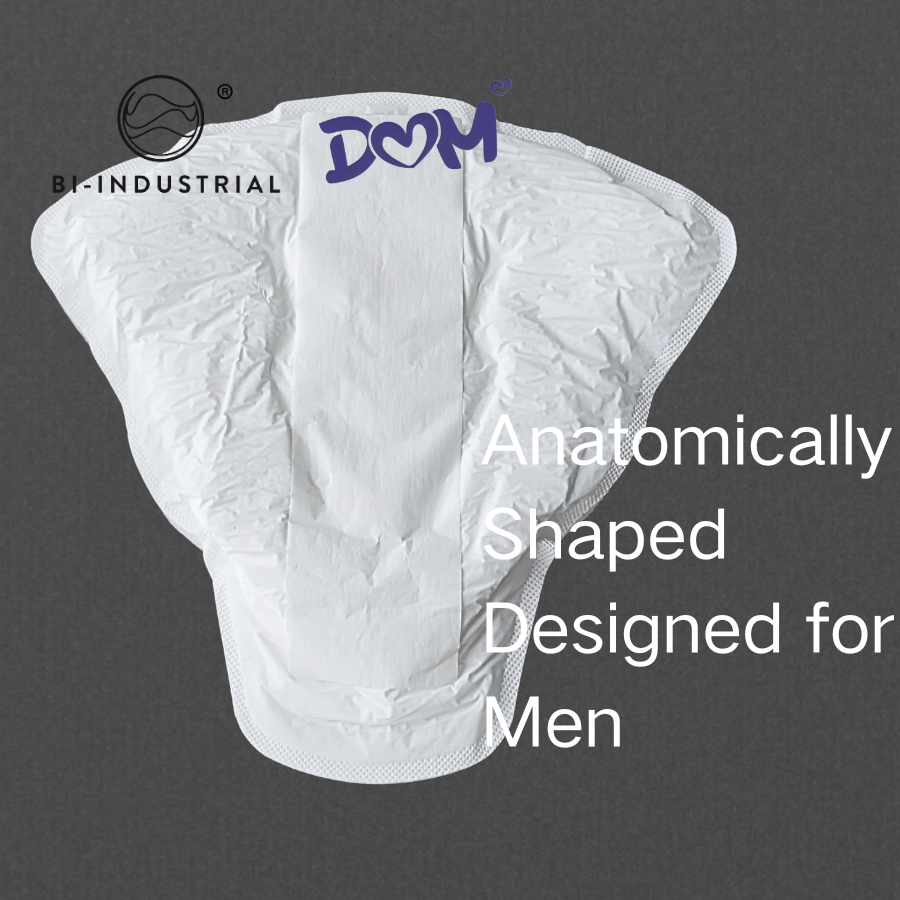
Yes. Men's guards are designed specifically for urinary incontinence in males, featuring anatomical shaping, targeted absorbent zones, and adhesive positioning optimized for male underwear. While some manufacturing technologies overlap with sanitary products, their intended use, performance requirements, and regulatory considerations differ.
Choosing between CE and FDA compliance is not a matter of selecting one over the other—it depends on the markets where your men's guards will be sold. CE marking is essential for access to the European market under MDR, while FDA compliance is required for distribution in the United States. Manufacturers serving global brands increasingly adopt harmonized quality systems, comprehensive technical documentation, and rigorous testing to meet both sets of requirements.
For distributors and private label brands sourcing incontinence pads wholesale, partnering with an experienced OEM/ODM manufacturer that understands international regulatory expectations can streamline market entry, strengthen product quality, and support long-term business growth across multiple regions.
*BI-Ehealthcare makes no warranties or representations regarding the completeness or accuracy of the information. This information should be used only as a guide and should not be relied upon as a substitute for professional medical or other health professional advice.