EN
EN
 jp
jp  ko
ko  fr
fr  de
de  es
es  it
it  ru
ru  pt
pt  ar
ar  th
th 
If you're planning to launch or expand a men's incontinence product line, choosing between OEM and ODM is one of the most important business decisions you'll make. OEM gives you greater control over product specifications, branding, and innovation, while ODM offers faster market entry with proven product designs. The right choice depends on your budget, timeline, customization needs, and long-term brand strategy.
Whether you're sourcing oem diapers, incontinence pads wholesale, or developing a complete private-label product portfolio, understanding these manufacturing models will help reduce costs, shorten development cycles, and improve market competitiveness.
The global adult incontinence market continues to grow due to aging populations, increasing awareness, and improved product technology. While women's products still dominate overall hygiene sales, men's incontinence products have become one of the fastest-growing segments.
Retailers, healthcare distributors, pharmacies, and e-commerce brands are increasingly seeking reliable manufacturers capable of delivering:
Premium absorbency
Comfortable ergonomic designs
Fast product development
Stable supply chains
Flexible private labeling
Regulatory compliance
Selecting between OEM and ODM directly impacts each of these factors.
OEM (Original Equipment Manufacturing) means the buyer provides detailed product specifications while the manufacturer produces the products accordingly.
For men's incontinence products, OEM projects often include:
Custom absorbent core structures
Unique SAP ratios
Customized acquisition layers
Exclusive leak guard designs
Tailored dimensions
Special packaging
Private branding
For example, companies searching for oem diapers frequently require products specifically engineered for their target markets instead of using standard factory designs.
Typical OEM workflow:
Product consultation
Technical requirement confirmation
Material selection
Sample development
Product testing
Mass production
Quality inspection
Shipment
OEM projects require higher investment but create stronger product differentiation.
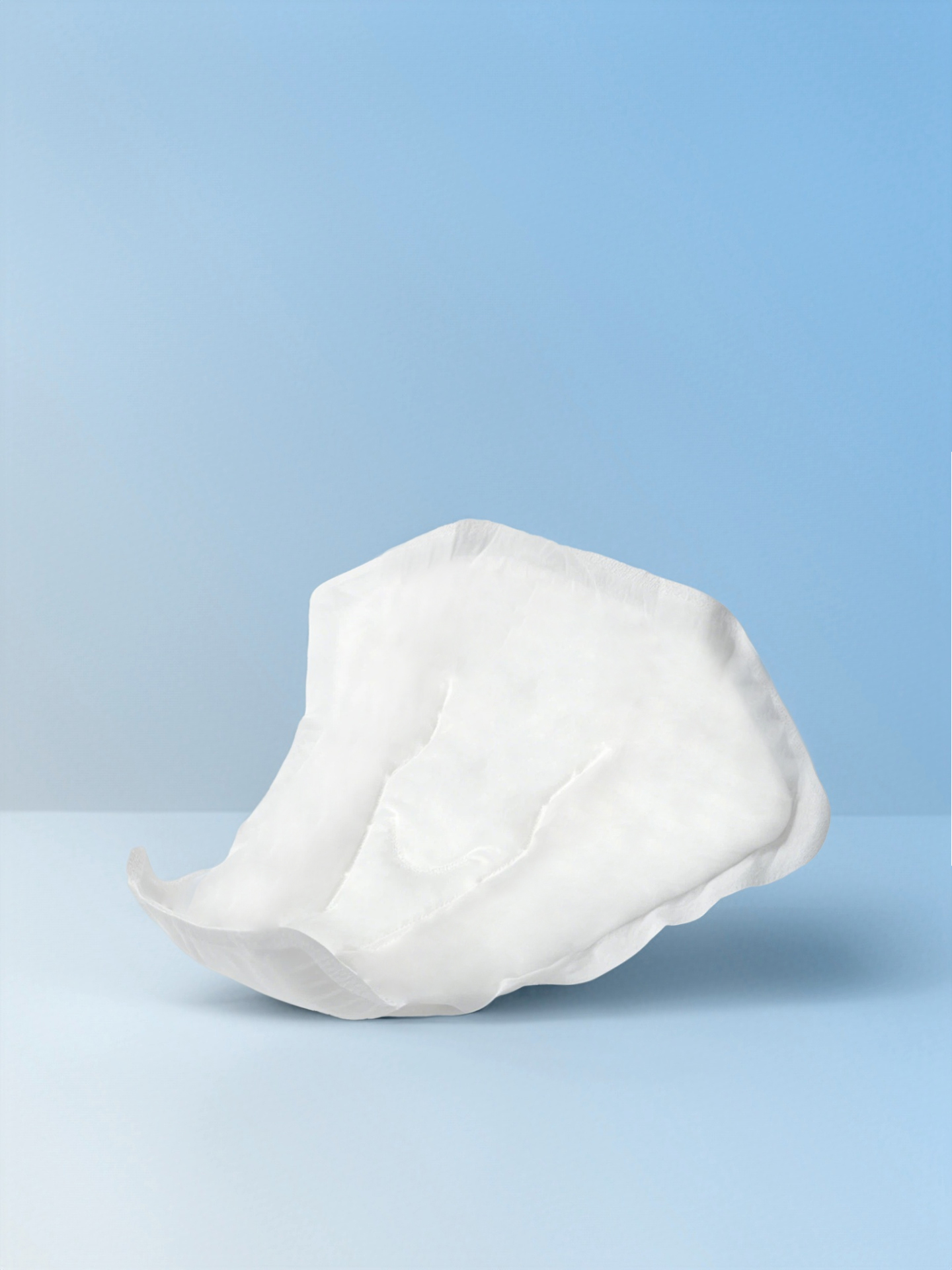
ODM (Original Design Manufacturing) allows manufacturers to provide ready-developed product designs that customers brand as their own.
Instead of developing products from scratch, buyers can choose existing product platforms and customize:
Packaging
Brand logo
Printing
Carton design
Product name
This significantly reduces:
Development costs
Lead time
Technical risks
ODM is especially attractive for:
New brands
Online sellers
Regional distributors
Healthcare wholesalers
Supermarket private labels
Many successful brands begin with ODM before gradually moving toward OEM as sales increase.
| Feature | OEM | ODM |
|---|---|---|
| Product Design | Customer-owned | Manufacturer-owned |
| Customization | Very High | Moderate |
| Development Cost | Higher | Lower |
| Development Time | Longer | Faster |
| Brand Differentiation | Excellent | Good |
| Technical Support | Extensive | Standard |
| Intellectual Property | Customer | Manufacturer |
OEM is ideal for companies pursuing long-term brand development, while ODM is better suited for rapid market entry.
The answer depends on your business objectives.
Choose OEM if you:
Want proprietary product technology
Need exclusive absorbency performance
Plan long-term brand investment
Require unique product positioning
Serve medical institutions
Choose ODM if you:
Need fast product launch
Have limited development budget
Want to test new markets
Sell through Amazon or online marketplaces
Focus primarily on branding
Many global hygiene brands combine both models by using ODM for standard products and OEM for premium product lines.
Professional manufacturers can customize nearly every category of adult absorbent hygiene products.
These include:
Designed specifically for male anatomy with discreet protection.
Customization options include:
Shape
Absorbency
SAP content
Odor control
Surface materials
Many international buyers source oem diapers to build private-label healthcare brands.
OEM options include:
Tape diapers
Breathable backsheet
Cloth-like backsheet
Wetness indicator
Elastic waistband
Demand continues to increase for:
pull ups incontinence
pull up pants for incontinence
pull up incontinence pants
pull up incontinence pants for adults
Customization includes:
Waist elasticity
Absorbency levels
Cotton-soft topsheet
Overnight protection
Printed waistband
Gender-specific designs
Hospitals and nursing facilities frequently purchase:
disposable incontinence underpads
incontinence underpads disposable
OEM customization includes:
Size
PE film thickness
Tissue layers
Fluff pulp weight
SAP ratio
Anti-slip backing
International distributors often source china incontinence pads due to China's mature hygiene manufacturing ecosystem.
OEM services include:
Male guards
Female pads
Booster pads
Overnight pads
Light absorbency products
Large-volume buyers also benefit from competitive incontinence pads wholesale pricing.
China has become one of the world's leading manufacturing centers for disposable hygiene products.
Advantages include:
Raw materials are readily available:
SAP
Fluff pulp
PE film
Nonwoven fabric
Elastic components
Packaging materials
This improves production efficiency and cost control.
Leading factories operate:
Fully automatic production lines
Online inspection systems
Metal detection
Vision inspection
Automated packaging
These systems ensure stable product quality.
Professional OEM manufacturers often support:
Small trial orders
Mixed container loading
Multiple SKU production
Seasonal production planning
Reliable manufacturers typically comply with:
ISO 9001
ISO 13485
CE requirements (where applicable)
FDA registration (for applicable markets)
SGS testing
Yes.
Many hygiene manufacturers produce multiple product categories using shared production technology.
Besides men's incontinence products, they often serve as a women's sanitary napkin manufacturer, offering:
Ultra-thin sanitary pads
Overnight sanitary napkins
Panty liners
Maternity pads
Many also provide oem sanitary pad services for retailers and private-label brands seeking a single manufacturing partner.
Working with one supplier simplifies procurement, quality management, and logistics.
Typical timelines vary depending on project complexity.
| Stage | Estimated Time |
|---|---|
| Product discussion | 3–7 days |
| Sample development | 7–15 days |
| Sample evaluation | 7–14 days |
| Packaging confirmation | 5–10 days |
| Mass production | 25–40 days |
ODM projects are generally completed much faster because product structures are already validated.
Selecting the right manufacturing partner involves more than comparing prices.
Consider the following:
Can the factory support large-volume production while maintaining consistent quality?
Do they have engineers capable of developing customized absorbent structures?
Look for:
Incoming material inspection
Online quality monitoring
Finished product testing
Traceability systems
Experienced exporters understand:
International labeling regulations
Customs documentation
Shipping optimization
Market-specific compliance
A capable partner should support:
Product customization
Packaging design
Logo printing
Carton customization
Marketing support
Generally, yes. OEM involves product development, engineering, tooling, and validation, resulting in higher upfront costs. However, it provides exclusive products and greater brand differentiation.
Absolutely. Many successful hygiene brands begin with ODM to enter the market quickly, then transition to OEM as sales grow and customer feedback helps define custom product requirements.
Yes. Leading Chinese manufacturers produce products that meet international quality standards using advanced production equipment, strict quality control systems, and premium raw materials. Many global brands source china incontinence pads and other absorbent hygiene products from experienced Chinese OEM/ODM suppliers.
Adult diapers, men's guards, pull-up pants, underpads, and sanitary products all offer extensive customization options, including absorbency, dimensions, materials, packaging, branding, and performance features.
Choosing between OEM and ODM is ultimately a strategic decision rather than simply a manufacturing preference. OEM is best suited for brands seeking proprietary products, long-term market differentiation, and complete control over product development. ODM, on the other hand, enables faster launches, lower investment, and proven product performance—making it an excellent option for businesses entering the market or expanding efficiently.
For companies sourcing oem diapers, incontinence pads wholesale, china incontinence pads, disposable incontinence underpads, pull up incontinence pants for adults, or private-label hygiene products, partnering with an experienced manufacturer that offers both OEM and ODM services provides the flexibility to adapt as your business grows. By selecting the right manufacturing model and a capable production partner, you can build a competitive, high-quality product portfolio while meeting the evolving needs of distributors, healthcare providers, retailers, and consumers worldwide.
*BI-Ehealthcare makes no warranties or representations regarding the completeness or accuracy of the information. This information should be used only as a guide and should not be relied upon as a substitute for professional medical or other health professional advice.