EN
EN
 jp
jp  ko
ko  fr
fr  de
de  es
es  it
it  ru
ru  pt
pt  ar
ar  th
th 
Choosing the right absorbency portfolio requires understanding consumer usage scenarios, product positioning, regional preferences, and market demand. A successful sanitary napkin brand should not focus on a single absorbency level but develop a balanced product range that covers light, regular, heavy, and overnight protection needs.
For manufacturers and private label brands, an optimized absorbency portfolio improves customer satisfaction, increases repeat purchases, and helps products compete effectively in different markets.
An absorbency portfolio refers to a product range that includes different protection levels designed for various menstrual flow conditions and user preferences.
A complete portfolio allows brands to serve different consumer needs, including:
Daily light flow protection
Moderate menstrual flow
Heavy flow days
Overnight protection
Active lifestyle requirements
Sensitive skin preferences
Instead of offering only one product type, successful feminine hygiene brands create multiple solutions that support consumers throughout their menstrual cycle.
The selection of absorbency levels should be based on consumer behavior, target market research, and product positioning.
A typical sanitary napkin portfolio includes:
| Product Category | Main Usage Scenario | Key Features |
|---|---|---|
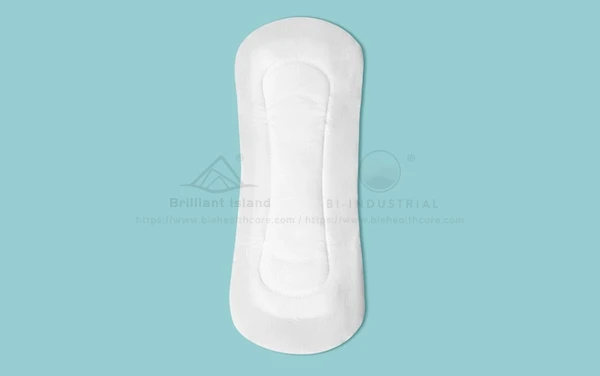
| Pantyliners | Daily freshness and light discharge | Thin design, lightweight comfort |
| Light Absorbency Pads | Beginning or ending menstrual days | Soft, comfortable, moderate protection |
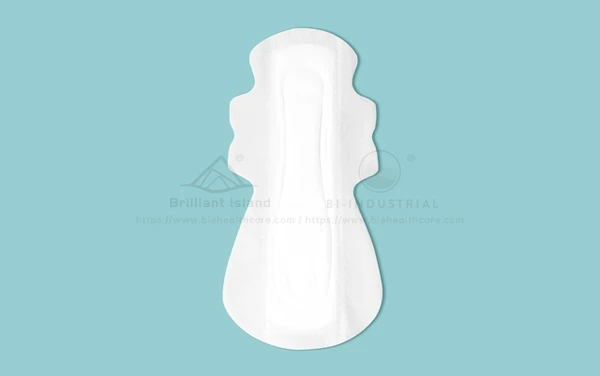
| Regular Absorbency Pads | Normal menstrual flow | Balanced absorption and comfort |
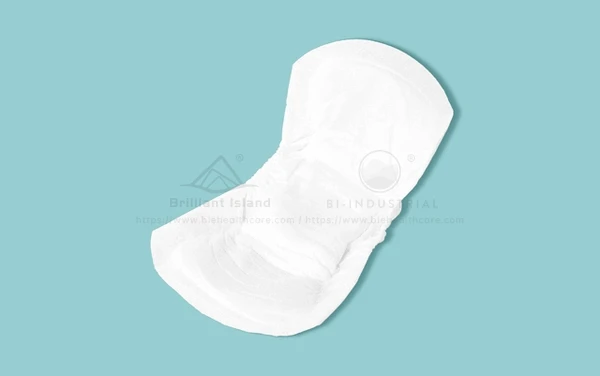
| Heavy Absorbency Pads | Higher flow periods | Increased absorption capacity |
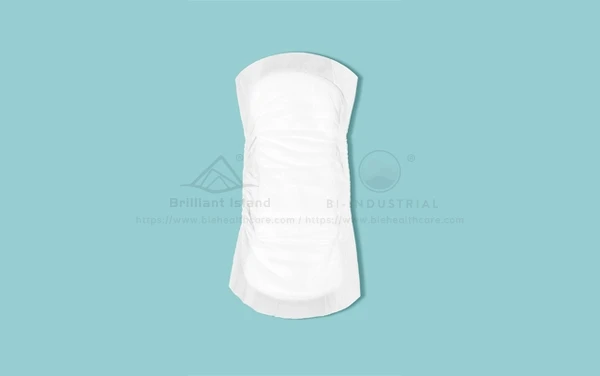
| Overnight Pads | Nighttime protection | Longer length, leakage prevention |
A well-designed portfolio helps consumers select products according to their personal needs rather than forcing them into a single solution.
Developing an effective product range requires more than increasing absorbency levels. Brands should evaluate several technical and market factors.
Menstrual flow varies significantly among users. A portfolio should consider:
Different cycle days
Regional consumer habits
Age groups
Lifestyle requirements
For example, younger consumers may prefer thinner products with strong absorption performance, while overnight users often prioritize coverage and leakage protection.
Absorbency performance depends on multiple product components, including:
Top sheet softness
Absorbent core structure
SAP distribution
Back sheet breathability
Adhesive performance
Manufacturers can optimize absorbency without unnecessarily increasing thickness by improving internal material combinations and product design.
New brands should avoid launching too many variations at the beginning.
A practical starting portfolio usually includes:
Regular absorbency pad
Heavy flow pad
Overnight pad
Pantyliner
These products cover the majority of consumer needs while keeping inventory and production management efficient.
After market feedback is collected, brands can expand into specialized products such as:
Ultra-thin premium pads
Organic material pads
Extra-long overnight solutions
Sports-focused products
Sensitive skin products
A phased portfolio strategy reduces complexity while allowing brands to grow based on real demand.
Higher absorbency does not always mean better performance. Modern consumers increasingly expect products that combine protection with comfort.
Key development goals include:
Advanced absorbent materials allow manufacturers to create thinner products while maintaining strong absorption capacity.
Breathable back sheets help improve comfort during long-term use.
Skin-friendly surface materials reduce irritation and improve the overall user experience.
Side guards, longer designs, and optimized core structures improve protection during movement and nighttime use.
A successful absorbency portfolio should provide reliable protection without compromising comfort.
Different brands require different portfolio strategies depending on their target customers.
Usually focus on:
Reliable performance
Competitive pricing
Multiple absorbency options
High-volume products
May emphasize:
Advanced materials
Ultra-thin technology
Sustainable solutions
Luxury packaging
Often develop products featuring:
Organic materials
Biodegradable components
Environmentally responsible packaging
The absorbency portfolio should align with the brand message and customer expectations.
Working with experienced sanitary napkin manufacturers can help brands create effective product ranges faster.
Professional OEM partners can support:
Absorbency testing
Product structure optimization
Material selection
Prototype development
Market-specific recommendations
Production scalability
Experienced manufacturers understand how to adjust absorbent cores, materials, and product dimensions to achieve different performance levels.
This support is especially valuable for brands entering competitive feminine hygiene markets.
Before launching products, brands should conduct performance testing to verify quality.
Important evaluations include:
Absorption capacity testing
Absorption speed testing
Leakage resistance testing
Rewet performance testing
Product durability testing
Skin compatibility evaluation
Testing ensures that each product category delivers consistent performance according to its intended usage.
Most brands should include several protection levels, such as light, regular, heavy, and overnight options. The exact portfolio depends on target customers, market demand, and brand positioning.
Not necessarily. Modern sanitary napkins use advanced absorbent materials and core technologies that can provide high absorption performance while maintaining a thin structure.
Brands can improve absorbency through optimized core design, higher-performance materials, better fluid distribution systems, and improved product testing.
New brands typically benefit from starting with essential products and expanding gradually based on consumer feedback and sales performance.
Manufacturers use laboratory testing methods to evaluate absorption capacity, absorption speed, leakage protection, and rewet performance to ensure consistent product quality.
Choosing the right absorbency portfolio is essential for building a competitive sanitary napkin brand. A well-planned product range should balance consumer needs, product performance, manufacturing efficiency, and market positioning.
By working with experienced sanitary napkin manufacturers, brands can develop optimized absorbency solutions, reduce product development risks, and create products that deliver reliable comfort and protection throughout every stage of the menstrual cycle.