EN
EN
 jp
jp  ko
ko  fr
fr  de
de  es
es  it
it  ru
ru  pt
pt  ar
ar  th
th 
Mild incontinence is a common condition that can often be prevented and effectively managed through lifestyle changes, pelvic floor exercises, and the use of discreet absorbent products. Early action is key to avoiding progression and maintaining a normal, active lifestyle.
Mild urinary incontinence refers to occasional or small amounts of urine leakage, typically during activities like coughing, sneezing, or physical exertion.
It often occurs when the bladder or surrounding muscles are slightly weakened or when bladder signals become less controlled. While it is not usually severe, it can gradually worsen if left unmanaged.
Recognizing early symptoms can help prevent progression.
Common early signs include:
Occasional leakage when laughing, coughing, or exercising
Sudden urge to urinate with minor leakage
Dribbling after urination
Increased frequency of urination
Waking up at night to urinate (mild nocturia)
These symptoms are often subtle but should not be ignored.
Mild incontinence can affect both men and women, but the causes may differ slightly due to anatomy and health factors.
Prostate enlargement (BPH)
Post-surgical effects (especially prostate procedures)
Weak pelvic floor muscles
Nerve-related conditions
Pregnancy and childbirth
Hormonal changes (especially menopause)
Weakened pelvic muscles
Urinary tract infections
You may have a higher risk of mild incontinence if you:
Are over age 40–50
Are overweight
Smoke or consume excessive caffeine/alcohol
Have a sedentary lifestyle
Have a history of pelvic surgery or childbirth
Identifying risk factors early allows for better prevention.
In many cases, mild incontinence can be prevented or improved without medical intervention.
Regular pelvic floor (Kegel) exercises help improve bladder control.
Reduce bladder irritants such as:
Caffeine
Alcohol
Spicy foods
Artificial sweeteners
Excess weight increases pressure on the bladder.
Gradually extend the time between bathroom visits to improve bladder capacity.
Regular exercise improves muscle tone and overall bladder function.
You should consider medical advice if:
Leakage becomes more frequent
Symptoms interfere with daily life
You experience pain or discomfort
Nighttime urination increases significantly
Early treatment can prevent mild incontinence from progressing into more severe conditions.
For many people, the most effective approach is combining lifestyle changes with discreet protection products.
Pull up incontinence pants for adults are one of the most practical solutions for mild incontinence because they:
Provide underwear-like comfort and discretion
Offer reliable absorbency for light to moderate leakage
Allow freedom of movement during daily activities
Help maintain confidence in social and professional settings
They are especially suitable for people who want protection without feeling like they are wearing traditional adult diapers.
BI-Ehealthcare offers high-quality solutions designed for comfort, performance, and skin health.
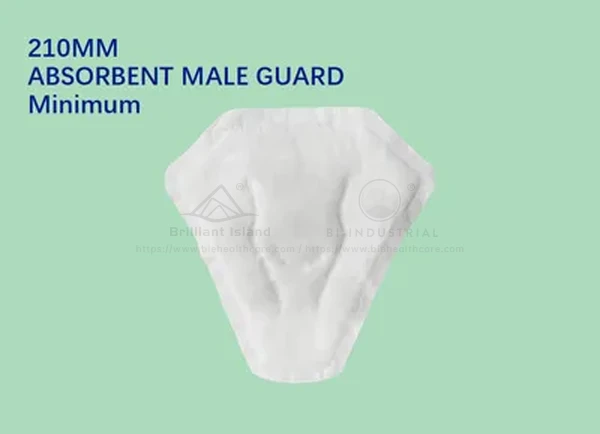
For mild leakage, incontinence pads for sensitive skin are an excellent choice:
Soft, skin-friendly materials reduce irritation
Breathable layers help maintain dryness
Discreet and easy to use for daily protection
These incontinence pads are ideal for users who prioritize comfort and need light absorbency.
Yes. With proper management—including lifestyle adjustments and the use of products like pull up incontinence pants for adults—most people can maintain a completely normal and active life.
You should see a doctor if leakage becomes frequent, worsens over time, or affects your quality of life. Early diagnosis can prevent complications.
In some cases, yes. Mild incontinence caused by temporary factors (such as diet or infection) may improve on its own. However, consistent symptoms usually require lifestyle changes or treatment.
Mild incontinence is common, manageable, and often preventable. By recognizing early signs, addressing risk factors, and using the right products—such as pull up incontinence pants for adults and incontinence pads for sensitive skin—you can maintain comfort, confidence, and control in your daily life.