EN
EN
 jp
jp  ko
ko  fr
fr  de
de  es
es  it
it  ru
ru  pt
pt  ar
ar  th
th 
Guards for Men should be worn inside close-fitting underwear, with the wider absorbent area placed toward the front of the body and the adhesive side attached firmly to the underwear fabric. Correct placement is essential because male urine leakage usually occurs in the front zone, and the guard must stay close to the body to absorb quickly, prevent shifting, and reduce leakage risk.
For end users, the right wearing method improves comfort, dryness, odor control, and confidence. For OEM hygiene product brands, clear usage guidance on packaging and product pages can reduce complaints, improve customer satisfaction, and increase repeat purchase.
Guards for Men are disposable absorbent pads designed for male urinary leakage. They are not worn like adult diapers or pull-up pants. Instead, they are placed inside regular close-fitting underwear and secured with an adhesive strip.
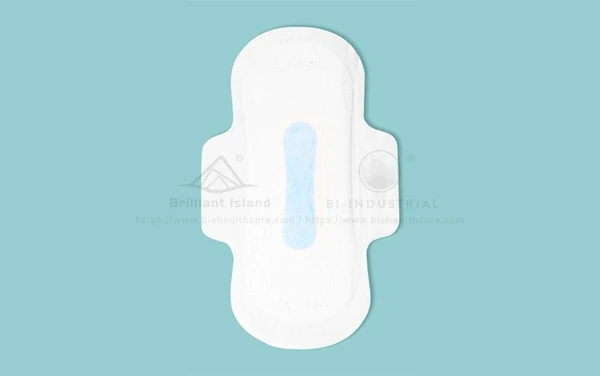
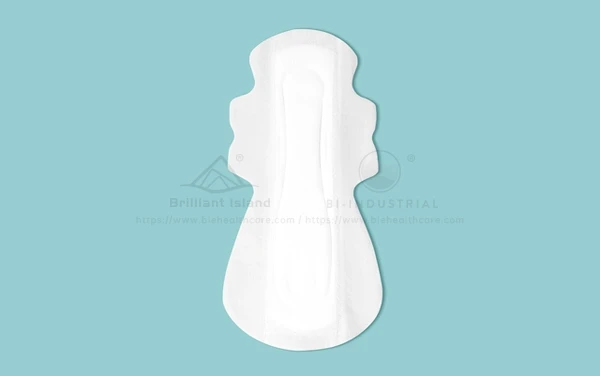
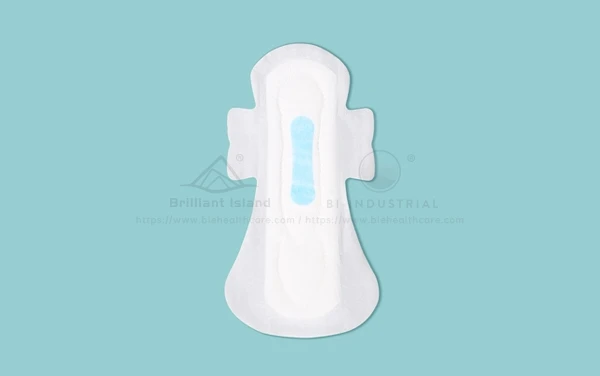
The product is usually anatomically shaped for men, with a wider front absorbent area, soft nonwoven topsheet, absorbent core, leakage-resistant backsheet, and adhesive positioning system. The purpose is to provide discreet protection against light to moderate leakage while allowing the user to continue daily activities with comfort and privacy.
For BI-Ehealthcare's OEM and ODM Guards for Men, the product line can support different protection levels and size directions, such as minimum, moderate, and maximum absorbency options. This makes correct wearing instructions even more important because each absorbency level should be used with proper fit and placement.
Correct wearing is simple, but the details matter. If the guard is placed too low, too far back, folded incorrectly, or used with loose underwear, leakage may occur even when the absorbent core quality is good.
Use briefs, boxer briefs, or supportive underwear that can hold the guard close to the body. Loose boxer shorts are not recommended because they may allow the guard to move, sag, or fold during walking and sitting.
Remove one guard from its wrapper and unfold it completely. Make sure the absorbent surface is clean and the product is not folded, damaged, or compressed before use.
Peel off the release paper from the adhesive strip on the back of the guard. Avoid touching the adhesive too much, as this may reduce its fixing strength.
Place the guard inside the front area of the underwear. The wider absorbent section should face upward and toward the front of the body, where male leakage protection is most needed.
Press the back of the guard firmly against the underwear fabric. Smooth it gently from the center outward so that the guard lies flat without wrinkles or folds.
Pull the underwear up carefully while keeping the guard in place. Adjust the position so the absorbent area fits close to the body and covers the front leakage zone comfortably.
Before going out or starting daily activities, check that the guard is not folded, twisted, or positioned too far back. The product should feel secure but not tight, bulky, or uncomfortable.
The soft absorbent topsheet should face the body, while the adhesive side should attach to the underwear. This is an important distinction because the absorbent layer must be positioned directly toward the leakage area, and the adhesive layer is designed only for fixing the product to underwear fabric.
If the guard is worn backward or upside down, it may not absorb correctly. The user may experience wetness, discomfort, product movement, or leakage marks on underwear. For private label brands, a simple placement diagram on the packaging can help first-time users avoid this mistake.
Guards for Men should be worn with close-fitting underwear, such as briefs or boxer briefs. The underwear must provide enough support to keep the guard close to the body and in the correct front position.
| Underwear Type | Suitability | Reason |
|---|---|---|
| Briefs | Recommended | Provides strong front support and helps keep the guard in place. |
| Boxer briefs | Recommended | Offers better coverage while still supporting the guard securely. |
| Loose boxers | Not recommended | May allow the guard to shift, fold, or move away from the body. |
| Special pouch underwear | Optional | Can help stabilize the product for some users, depending on preference. |
From a product operations perspective, many leakage complaints are not caused by absorbency failure alone. Incorrect underwear choice is one of the most common reasons for poor real-use performance.
Guards for Men should be positioned in the front center of the underwear. The wider part should cover the male leakage area, while the narrower lower part should extend downward naturally without folding.
The product should not be placed too far back like a standard unisex pad. Male guards are designed for front-focused leakage management, so the absorbent zone must align with the male anatomy.
A good placement should meet three conditions:
The wider absorbent area is at the front.
The adhesive side is firmly attached to the underwear.
The guard stays close to the body without gaps or folds.
The guard should fit close to the body but should not feel compressed, twisted, or uncomfortable. A stable fit helps the topsheet receive liquid quickly and allows the absorbent core to function as intended.
If the fit is too loose, the guard may move away from the leakage point. If the underwear is too tight, the product may bunch, deform, or feel uncomfortable during sitting and walking.
For OEM buyers, this is why pad shape, adhesive performance, product flexibility, and packaging instructions must be designed together. A high-absorbency core still needs correct body fit to deliver reliable performance.
Guards for Men should be changed when they feel wet, heavy, uncomfortable, or after the intended wearing period. The exact changing frequency depends on leakage volume, absorbency level, activity level, climate, and skin sensitivity.
For users with very light leakage, a guard may last longer. For moderate leakage or active use, more frequent changes may be needed. Users should not continue wearing a saturated product because prolonged wetness may increase discomfort and skin irritation risk.
Useful user guidance includes:
Change regularly to maintain dryness and hygiene.
Replace sooner if the guard feels wet or heavy.
Use a higher-absorbency option if leakage exceeds the product capacity.
Carry spare individually wrapped guards when traveling or working outside.
To remove a used guard, peel it away from the underwear carefully. Wrap it in tissue, the original wrapper, or a disposal bag, then place it in a waste bin. Guards for Men should not be flushed down the toilet because disposable absorbent products can block plumbing systems.
For retail packaging, disposal guidance is important. It supports user convenience, hygiene, and responsible product use. Individual wrapping also improves privacy and portability, especially for users who need to change products at work, during travel, or in public restrooms.
Even a well-designed guard can leak if it is worn incorrectly. The following mistakes are common among first-time users:
Using loose boxer shorts: The guard may move away from the body.
Placing the guard too far back: The front leakage zone may not be protected.
Forgetting to remove the release paper: The adhesive will not fix to the underwear.
Wearing the adhesive side against the body: This causes discomfort and poor absorption.
Allowing folds or wrinkles: Liquid may escape through gaps.
Choosing the wrong absorbency level: A light guard may not handle moderate leakage.
Wearing one guard for too long: Saturation may increase leakage and odor risk.
For OEM and private label brands, addressing these mistakes on the product page, packaging insert, or FAQ section can improve customer experience and reduce after-sales issues.
Usage instructions are part of product performance. When instructions are unclear, users may blame the product even if the design is correct. For Guards for Men, brands should provide simple, visual, and confidence-building guidance.
Recommended packaging and product-page content includes:
Front and back orientation diagram
Close-fitting underwear recommendation
Adhesive strip placement instruction
Changing and disposal guidance
Absorbency-level selection chart
Light, moderate, and maximum protection comparison
Discreet carrying and individual wrapping explanation
BI-Ehealthcare supports OEM and ODM solutions for Guards for Men, helping brands customize size, absorbency, packaging, private label design, and product positioning for different market channels.
For distributors and private label buyers, correct wearing performance begins with correct product design. A good guard should be easy to position, secure during movement, and comfortable enough for daily use.
Key sourcing factors include:
Anatomical shape: Supports male front-zone leakage protection.
Adhesive stability: Keeps the guard fixed inside underwear.
Soft topsheet: Improves skin-contact comfort.
Absorbent core: Balances fluff pulp and SAP for fast intake and retention.
Backsheet quality: Helps prevent leakage through underwear.
Odor control: Supports privacy and confidence.
Individual wrapping: Improves hygiene and convenience.
Clear packaging instructions: Helps users apply the product correctly.
Guards for Men should be placed inside close-fitting underwear, with the absorbent side facing the body, the adhesive side fixed to the underwear, and the wider end positioned at the front. Correct placement improves absorption, reduces shifting, helps prevent leakage, and gives users a more comfortable daily wearing experience.
For OEM and private label brands, usage education is not only a customer-service detail. It is part of product performance and conversion strategy. By combining reliable product structure with clear wearing guidance, brands can improve user trust and build a stronger male incontinence product line.
Open the guard, remove the release paper, place the adhesive side onto the front area of close-fitting underwear, position the wider absorbent area toward the front, press it firmly, then pull up the underwear and adjust for comfort.
The wider end should face the front of the body. The soft absorbent side faces the body, while the adhesive side attaches to the underwear.
Loose boxers are not recommended because they may not hold the guard securely. Briefs or boxer briefs are better for stable placement and leakage prevention.
Leakage may occur if the guard is placed too far back, worn with loose underwear, folded, saturated, or selected with too low an absorbency level for the user’s leakage volume.
They should be changed when wet, heavy, uncomfortable, or after the intended use period. Users with moderate leakage may need more frequent changes than users with light leakage.
No. Used guards should be wrapped and disposed of in a waste bin. They should not be flushed because absorbent hygiene products can block plumbing systems.