EN
EN
 jp
jp  ko
ko  fr
fr  de
de  es
es  it
it  ru
ru  pt
pt  ar
ar  th
th 
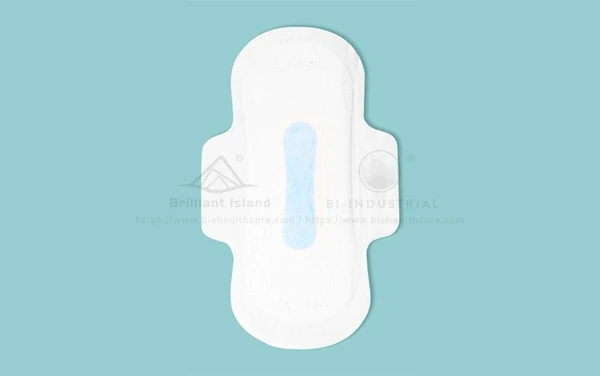
The top sheet is one of the most important layers in a sanitary pad because it touches the skin directly. Organic cotton top sheets are usually chosen for softness, natural-fibre positioning, and sensitive-skin appeal. Standard PE film top sheets are often chosen for quick dryness, cost efficiency, and a smooth perforated surface. The better choice depends on the target user, price tier, and brand positioning.
For OEM buyers, this comparison should not be treated as a simple “natural versus plastic” decision. The right top sheet must work with the absorbent core, acquisition layer, back sheet, adhesive, and packaging strategy.
An organic top sheet is the upper contact layer made from organic cotton or organic cotton-based material. It is designed to provide a softer, more textile-like surface. In premium sanitary napkins, this layer helps support claims around comfort, skin-friendly care, and natural material preference.
Organic top sheets are especially useful for brands targeting sanitary napkins for sensitive skin, organic cotton sanitary pads, hypoallergenic sanitary pads, or eco-friendly feminine care lines.
PE film top sheet is a perforated polyethylene layer used in many conventional sanitary pads. It is designed to allow fluid to pass through quickly while keeping the surface relatively dry. PE film is widely used because it is stable, cost-effective, and suitable for high-speed production.
Modern PE film can be soft and thin, but some users may perceive it as less natural than cotton or nonwoven surfaces. This perception affects product positioning even when performance is strong.
Organic cotton top sheets usually provide a softer and warmer skin-contact feel. They are often preferred by users who dislike a plastic-like surface. PE film can provide a smoother and drier surface, but comfort depends on film quality, perforation design, and pad flexibility.
| Feature | Organic Cotton Top Sheet | Standard PE Film |
|---|---|---|
| Skin feel | Soft, textile-like, natural | Smooth, dry, sometimes plasticky |
| Dryness perception | Depends on acquisition layer and core | Often strong when perforation is optimized |
| Brand positioning | Premium, organic, sensitive skin | Mass market, dry surface, value line |
| Cost | Usually higher | Usually lower |
| Claim complexity | Requires documentation if organic claim is used | Requires accurate material disclosure if relevant |
The top sheet affects how quickly fluid enters the pad, but the main absorbency capacity comes from the absorbent core. A well-designed organic cotton pad can absorb effectively if the core and acquisition layer are engineered properly. A PE film pad can feel dry, but it may still leak if the core is too small or poorly positioned.
For B2B product development, always test absorption speed, rewet, side leakage, and user comfort together. Do not judge pad quality by top sheet material alone.
Organic cotton top sheets are often chosen for sensitive-skin positioning because they feel soft and avoid a conventional plastic-contact perception. However, sensitive-skin comfort also depends on fragrance, lotion, dye, breathability, friction, adhesive stability, and surface dryness.
A strong sensitive-skin sanitary pad should combine a gentle top sheet with fragrance-free design and reliable absorbency. Buyers should also consider EU Ecolabel-style principles, such as restricted use of hazardous substances and no allergenic fragrances or lotions where applicable.
Both materials can be right. The best solution is often a product portfolio:
Organic cotton top sheet: premium line, pharmacy channel, sensitive-skin branding, eco-focused e-commerce.
PE film top sheet: mainstream retail line, high-dryness positioning, lower unit cost, larger volume packs.
Cotton-soft nonwoven: middle-tier option balancing softness, performance, and price.
This lets the brand cover multiple customer needs without forcing one material to serve every segment.
Good product content should be precise and buyer-friendly. Instead of saying “organic is best,” explain how each surface works. For example: “Our organic cotton top sheet is designed for a softer skin-contact experience, while the absorbent core locks fluid quickly for daily protection.” This wording is clearer and less risky than exaggerated claims.
PE film is commonly used in sanitary pads as a top sheet or back sheet material. Product safety depends on material quality, manufacturing control, testing, and compliance with the target market’s requirements.
Cotton-based surfaces may feel more breathable, but actual breathability depends on the full pad structure, including the back sheet and adhesive coverage. Buyers should test the finished product rather than relying only on the top sheet material.
Not necessarily. Leakage is mainly affected by the absorbent core, side structure, pad length, and fit. A properly engineered organic top sheet pad can provide strong leakage protection.
Organic cotton top sheets are often best for premium natural or sensitive-skin positioning. PE film can still be suitable for premium dry-surface products if the film is soft, thin, and well designed.
Organic top sheets and standard PE film serve different product strategies. Organic cotton supports premium comfort and natural positioning, while PE film supports cost-effective dryness and mass-market performance. BI-Ehealthcare can help buyers compare material options and develop customized sanitary pads or eco-friendly pads for different channels.