EN
EN
 jp
jp  ko
ko  fr
fr  de
de  es
es  it
it  ru
ru  pt
pt  ar
ar  th
th 
Sanitary pad packaging in 2026 will focus on sustainability, premium user experience, functional convenience, and brand differentiation. As consumers become more environmentally conscious and quality-focused, brands are increasingly investing in recyclable materials, minimalist designs, and packaging solutions that reflect product values.
For companies working with sanitary pads wholesale suppliers, packaging is no longer just a protective layer—it has become a key factor influencing purchasing decisions, brand recognition, and market competitiveness.
The leading packaging trends for 2026 include:
Sustainable and biodegradable packaging materials
Premium minimalist designs
Smart and informative labeling
Portable and convenient packaging formats
Stronger environmental branding
These trends are driven by changing consumer expectations and the rapid growth of eco-conscious feminine care markets.
Environmental responsibility has become one of the most important considerations in feminine hygiene product development. Consumers increasingly prefer brands that reduce plastic waste and adopt responsible production practices.
Packaging innovation is moving toward:
Recyclable packaging materials
Compostable packaging solutions
Reduced plastic usage
Plant-based packaging options
This shift is especially important for brands offering sustainable product lines such as organic biodegradable sanitary pads.
By cooperating with experienced biodegradable sanitary pads manufacturers, brands can develop products that combine environmental benefits with reliable performance.
The demand for organic feminine care products continues to grow as consumers seek safer, more natural alternatives.
Brands producing organic products often use packaging strategies that highlight:
Natural ingredients
Environmental responsibility
Product safety
Transparent manufacturing information
Working with professional organic sanitary pads manufacturers allows brands to create packaging that matches their premium positioning while maintaining product consistency.
For businesses planning to expand their product portfolio, organic sanitary pads wholesale solutions provide opportunities to enter growing markets with differentiated products.
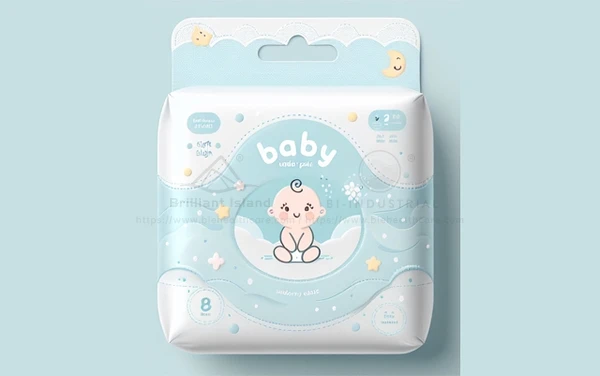
Modern consumers increasingly prefer clean and professional packaging designs.
Popular design elements include:
Simple color systems
Clear product information
Modern typography
Premium visual identity
Minimalist packaging helps brands communicate quality and build trust, especially in competitive retail environments.
Consumers want to quickly understand product benefits before purchasing.
Future packaging will emphasize:
Absorbency levels
Material information
Sustainability features
Usage scenarios
Skin-friendly benefits
Clear communication helps consumers make faster purchasing decisions.
Product positioning plays an important role in packaging strategy. Brands must clearly communicate the purpose and advantages of each product category.
The difference between panty liners and sanitary pads mainly relates to protection level, absorbency, and intended use.
Panty liners are generally designed for:
Daily freshness
Light discharge protection
Minor spotting
Sanitary pads are designed for:
Menstrual protection
Higher absorbency requirements
Longer wearing periods
Packaging should clearly communicate these differences to avoid consumer confusion and improve product selection.
For sustainable products, packaging must effectively communicate environmental benefits without creating misleading impressions.
Effective approaches include:
Clearly explaining biodegradable materials
Highlighting responsible manufacturing practices
Providing transparent product information
Using certified environmental claims where applicable
Professional biodegradable sanitary pads manufacturers can help brands develop products and packaging strategies that meet consumer expectations for sustainability.
For distributors and retailers purchasing large quantities, packaging affects more than appearance.
Wholesale buyers consider:
Product protection during transportation
Storage efficiency
Shelf presentation
Brand consistency
Customer appeal
Reliable sanitary pads wholesale suppliers help businesses optimize packaging formats for different markets and sales channels.
For companies looking to buy biodegradable sanitary pads, packaging quality is also an important factor because sustainable consumers often evaluate the entire product experience, not just the pad itself.
Technology is gradually influencing feminine care packaging.
Future developments may include:
QR codes for product information
Digital brand experiences
Traceability systems
Consumer education resources
Smart packaging allows brands to build stronger relationships with customers by providing transparency about materials, production, and sustainability efforts.
Selecting the right manufacturing partner is essential for successful packaging development.
Brands should evaluate:
A capable supplier should understand different packaging materials and their applications, including sustainable alternatives.
Important customization options include:
Packaging sizes
Printing designs
Product combinations
Private label solutions
A professional partner should provide:
Stable production capacity
Quality inspections
Consistent packaging standards
On-time delivery
These capabilities are especially important for brands managing large-scale organic sanitary pads wholesale projects.
Biodegradable packaging supports growing consumer demand for environmentally responsible products. Brands use sustainable packaging to reduce environmental impact and strengthen their eco-friendly market positioning.
The demand for organic feminine care products continues to increase as consumers pay more attention to material safety, sustainability, and personal comfort. Many brands are expanding their offerings through partnerships with organic sanitary pads manufacturers.
Businesses can purchase through professional manufacturers and suppliers specializing in sustainable feminine hygiene products. Working with experienced biodegradable sanitary pads manufacturers helps ensure product quality, customization, and reliable supply.
Wholesale buyers should consider manufacturing experience, product quality, customization options, certifications, and supply chain reliability when selecting sanitary pads wholesale suppliers.
Sanitary pad packaging in 2026 will be shaped by sustainability, premium design, transparency, and consumer convenience. Brands that invest in innovative packaging strategies can create stronger product differentiation and build deeper connections with customers.
By partnering with experienced manufacturers, including organic sanitary pads manufacturers and biodegradable sanitary pads manufacturers, businesses can develop environmentally responsible products while meeting the evolving expectations of global feminine care markets. For companies involved in sanitary pads wholesale, advanced packaging solutions will become a key competitive advantage in the years ahead.