EN
EN
 jp
jp  ko
ko  fr
fr  de
de  es
es  it
it  ru
ru  pt
pt  ar
ar  th
th 
For brands looking to expand in the competitive feminine care market, partnering with a private label OEM manufacturer is one of the most efficient ways to scale. A reliable OEM partner allows businesses to develop customized feminine hygiene products, reduce production complexity, improve market responsiveness, and build a stronger brand presence without investing heavily in their own manufacturing facilities.
By working with experienced feminine hygiene manufacturers, brands can access advanced production capabilities, regulatory support, product customization, and supply chain advantages that accelerate growth.
Private label OEM refers to a business model where a manufacturer produces feminine care products according to a brand’s requirements, while the products are sold under the brand’s own name.
Instead of managing raw material sourcing, production lines, quality control, and compliance independently, brands can cooperate with professional feminine hygiene product manufacturers to develop market-ready solutions.
This model is widely adopted by emerging brands, retailers, and established feminine hygiene products companies because it enables faster product launches and flexible customization.
Building an in-house manufacturing facility requires significant investment in equipment, technology, skilled workers, certifications, and quality management systems.
A private label OEM partnership allows brands to focus resources on:
Brand development
Marketing campaigns
Customer acquisition
Distribution channels
Market expansion
Meanwhile, experienced manufacturers handle production processes and quality assurance.
Consumer demand in feminine care changes quickly, with increasing interest in comfortable, sustainable, and specialized products.
OEM manufacturers help brands respond faster by providing:
Existing production expertise
Flexible product customization
Packaging design support
Material selection guidance
Efficient manufacturing processes
This enables brands to introduce new feminine hygiene solutions with shorter development cycles.
Selecting the right manufacturing partner directly affects product quality, customer satisfaction, and long-term brand reputation.
Key factors to evaluate include:
A qualified OEM partner should have experience producing different categories of feminine care products, including:
Sanitary pads
Panty liners
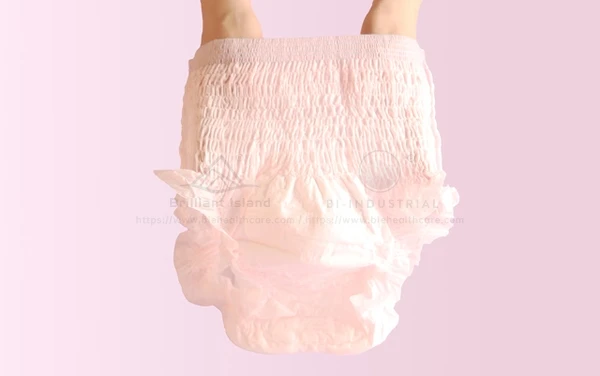
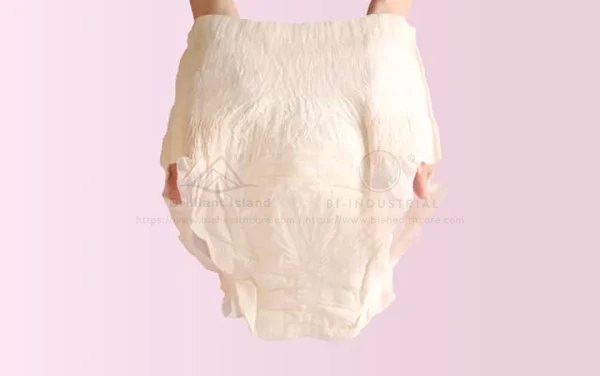
Period underwear
Incontinence care products
Feminine cleansing products
Customized hygiene solutions
Professional feminine hygiene manufacturers should also demonstrate strong capabilities in material innovation, production efficiency, and quality control.
Feminine hygiene products are closely connected with consumer health and safety. Brands should prioritize manufacturers that follow strict quality standards and provide relevant certifications.
Important considerations include:
Quality management systems
Material safety testing
Production hygiene standards
International compliance requirements
A reliable manufacturer should be transparent about its testing procedures and quality inspection processes.
Successful feminine care brands often differentiate themselves through unique product features and branding.
A strong OEM partner should support:
Customized product specifications
Different absorbency levels
Various materials and technologies
Personalized packaging
Brand-specific solutions
This flexibility allows companies to create products that match their target customers’ needs.
Private label OEM services cover a wide range of feminine care categories.
Many brands start with core menstrual products, such as:
Ultra-thin sanitary pads
Organic cotton sanitary pads
Panty liners
Overnight protection products
Period care solutions
Manufacturers can help optimize absorbency, comfort, breathability, and packaging based on market positioning.
Sustainability has become a major purchasing factor for modern consumers.
OEM manufacturers can support brands in developing:
Eco-friendly materials
Biodegradable components
Plastic-reduced packaging
Reusable feminine care products
These options help brands meet growing demand for environmentally responsible feminine hygiene solutions.
The feminine care market includes many established players, making product differentiation essential.
OEM cooperation enables brands to create unique value through:
Innovative materials
Improved comfort features
Specialized product designs
Targeted customer solutions
Instead of competing only on price, brands can develop stronger product identities.
Working with professional feminine hygiene product manufacturers provides access to established supply chains, including:
Raw material sourcing
Production management
Quality inspections
Packaging coordination
Logistics support
This reduces operational risks and improves business scalability.
International expansion requires knowledge of local regulations, consumer preferences, and product requirements.
Experienced OEM partners can help brands adapt products for different markets through:
Customized specifications
Local compliance support
Packaging adjustments
Market-specific product strategies
Before selecting an OEM partner, brands should define several important factors:
Understanding the target audience helps determine:
Product type
Price range
Materials
Packaging style
Functional features
For example, premium customers may prioritize organic materials and advanced comfort technology, while value-focused customers may prefer affordable daily protection products.
Brands should evaluate whether the manufacturer’s MOQ and production capability match their business stage.
A flexible OEM partner can support both:
Small-scale market testing
Large-volume commercial production
A successful OEM relationship goes beyond a single order. Brands should seek manufacturers that can provide continuous support in:
Product improvement
New product development
Supply chain optimization
Market expansion
Private label feminine hygiene products allow brands to launch customized products without owning manufacturing facilities. Companies can reduce costs, shorten development timelines, and focus more on marketing and customer growth while relying on experienced manufacturers for production.
Professional feminine hygiene manufacturers support brands through product development, manufacturing expertise, quality control, customization services, and supply chain management. Their experience helps companies create reliable products and scale operations efficiently.
Yes. OEM services typically allow customization of product materials, sizes, absorbency levels, packaging designs, and branding elements. This enables companies to create differentiated products that match specific market needs.
Brands should evaluate manufacturers based on production experience, certifications, customization capabilities, quality systems, and previous industry performance. Choosing a partner with strong technical expertise and consistent production standards is essential for long-term success.
Private label OEM manufacturing provides a strategic pathway for brands seeking to scale in the feminine hygiene industry. By partnering with experienced feminine hygiene manufacturers, businesses can access advanced production capabilities, develop customized products, and improve their competitive advantage.
For companies entering or expanding within the feminine care market, choosing the right OEM partner is not only a manufacturing decision—it is a long-term growth strategy that supports innovation, efficiency, and brand success.