EN
EN
 jp
jp  ko
ko  fr
fr  de
de  es
es  it
it  ru
ru  pt
pt  ar
ar  th
th 
Premium sanitary pad brands need more than a soft top sheet. They need best-grade manufacturing that can control absorbency, leakage prevention, skin comfort, hygiene, packaging consistency, and claim documentation from raw material selection to final inspection. For brand owners, the right manufacturing system is the foundation of repeat purchases and retail trust.
Best-grade manufacturing is not simply “high speed production.” It is a complete OEM process that combines material engineering, clean workshop control, quality inspection, customization capability, and fast communication between the buyer and factory.
A sanitary pad becomes premium when users can feel the difference and buyers can verify the quality. In practice, this includes:
Soft and skin-friendly contact surface
Fast fluid acquisition and low rewet
Reliable side leakage protection
Stable adhesive performance
Clean individual wrapping
Consistent product dimensions
Clear packaging and claim documentation
For private-label brands, premium positioning also depends on whether the supplier can reproduce approved samples consistently across mass production orders.
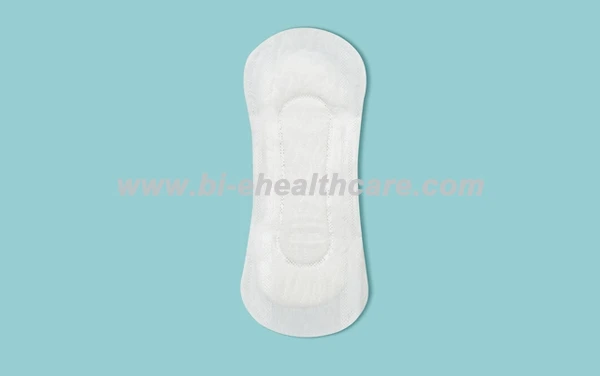
A premium sanitary pad is produced through a controlled multi-layer process. The top sheet contacts the skin, the acquisition layer spreads fluid, the absorbent core stores fluid, the back sheet prevents leakage, and the adhesive and wings keep the pad in place. Each layer must work with the others.
| Layer | Manufacturing Focus | Buyer Evaluation Point |
|---|---|---|
| Top sheet | Softness, perforation, skin feel, dryness | Organic cotton, cotton-soft nonwoven, or PE film choice |
| Acquisition layer | Fluid distribution speed | Reduced surface wetness and faster absorption |
| Absorbent core | Core weight, SAP ratio, pulp quality | Day, night, maternity, or heavy-flow capacity |
| Back sheet | Leak prevention and breathability | Secure protection without stiff handfeel |
| Wrapper | Hygiene and brand experience | Clean folding, easy opening, printed private label design |
Quality control matters because small defects can directly affect comfort and trust. A misaligned core may cause leakage. A rough top sheet may cause discomfort. Poor adhesive may shift during use. Packaging errors may damage retail presentation.
A professional OEM supplier should monitor material incoming inspection, product weight, dimensions, absorbency, sealing, appearance, metal detection where applicable, and batch traceability. Zhejiang B.I. Industrial has long-term experience in sanitary product manufacturing and supports buyers with intelligent quality control systems, modern dust-free workshops, strict quality supervision, and remote problem-solving communication.
Useful certifications and documents may include ISO9001 quality management, GMP-related production control, CE or FDA documentation where applicable, FSC packaging certificates, raw material certificates, safety testing, and customer-specific compliance files. The exact certificate package depends on the target market, sales channel, and product claim.
Certifications should be treated as part of supplier verification, not as decoration. A serious buyer should check certificate validity, certification scope, company name consistency, and whether the certificate covers the product or only a related material.
Premium brands often require a full product matrix rather than one standard pad. A capable supplier can develop multiple SKUs under one brand architecture:
Ultra-thin day pads for daily comfort
Night pads with extended length and higher absorption
Organic cotton pads for sensitive-skin positioning
Winged sanitary napkins for secure fit
Maternity pads for postpartum care
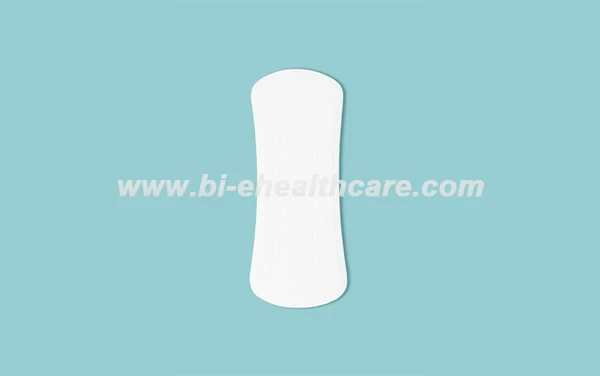
Panty liners for everyday light protection
Eco-friendly pads with responsible packaging
This helps retailers increase shelf depth and gives online brands more opportunities to rank for long-tail search keywords.
Buyers should prepare the target market, user group, desired absorbency level, pad size, top sheet preference, packaging style, claim direction, certification needs, and expected annual volume. If a buyer does not yet have a complete technical specification, an experienced OEM manufacturer can help convert the brand idea into a testable sample plan.
OEM manufacturing means a factory produces sanitary pads according to the buyer’s brand, specifications, packaging design, and quality requirements. It allows brand owners to launch products without building their own production line.
OEM usually follows the buyer’s existing design or specification. ODM provides more product-development support, including material suggestions, structure design, packaging ideas, and sample optimization.
A reliable sanitary pad manufacturer should provide verifiable production experience, quality control processes, sample testing, clear communication, certificate documents, batch consistency, and realistic delivery schedules.
Yes. Softness mainly depends on the top sheet and surface design, while absorbency depends on the core structure. A strong manufacturer balances both through material selection and product engineering.
Best-grade manufacturing for premium sanitary pad brands requires a complete system: material choice, absorbency engineering, clean production, quality inspection, packaging control, and claim support. BI-Ehealthcare provides sanitary pad manufacturing and OEM/ODM services for brands that need reliable, scalable feminine hygiene products.