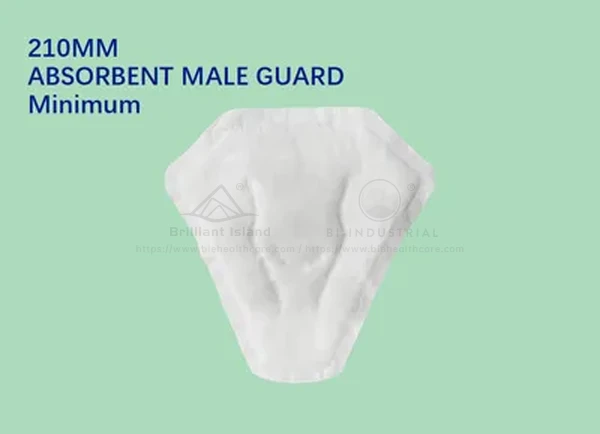
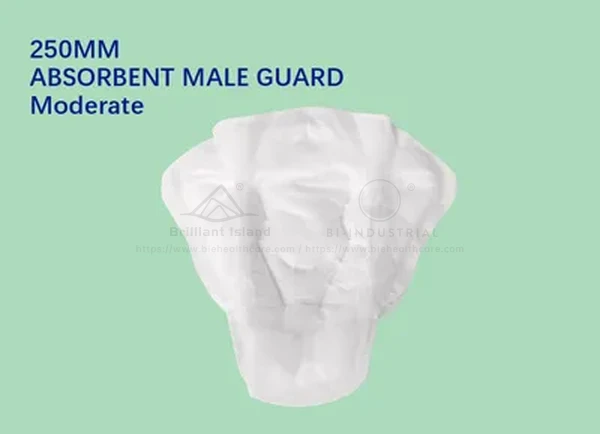
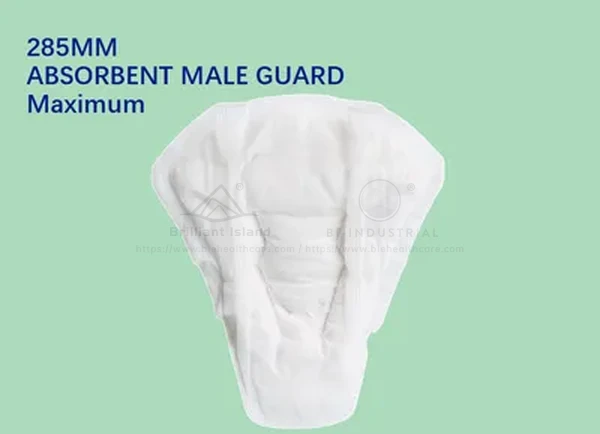
EN
EN
 jp
jp  ko
ko  fr
fr  de
de  es
es  it
it  ru
ru  pt
pt  ar
ar  th
th 
Ultra-thin men's guards are designed for discretion, flexibility, and light to moderate male leakage protection, while traditional incontinence pads usually focus on broader coverage and higher absorbency. A modern ultra-thin male Guard uses efficient SAP, optimized core design, and anatomical shaping to provide protection with less bulk.
For OEM buyers, the choice between ultra-thin guards and traditional pads depends on target users, absorbency requirements, price positioning, and retail channel strategy.
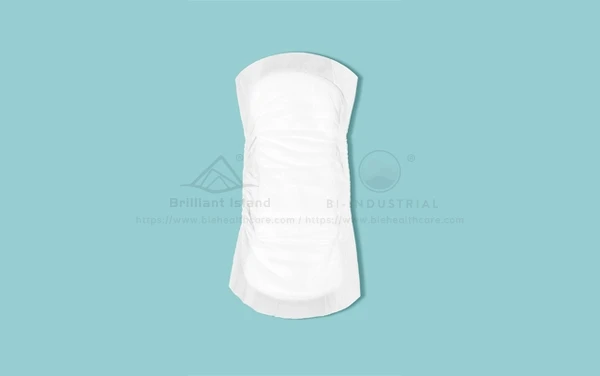
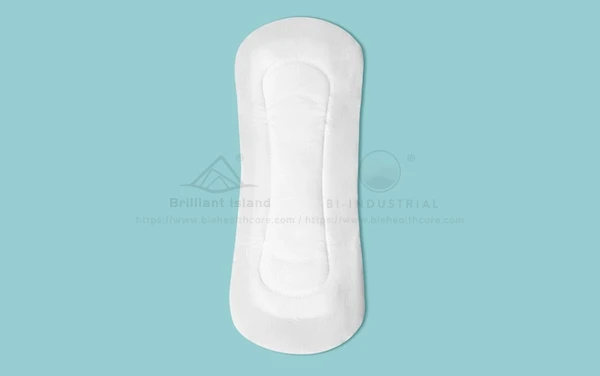
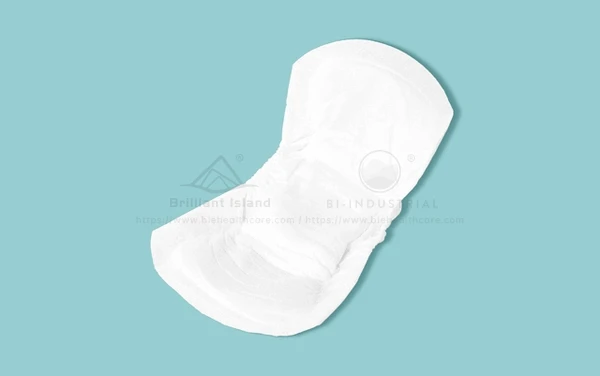
An ultra-thin men's guard is a slim absorbent product designed to fit inside close-fitting underwear. It is shaped for male anatomy and usually focuses on front-zone leakage protection.
Its key advantages include:
Better discretion under clothing
Lightweight wearing feel
Better comfort during movement
Suitable for active daily users
Easy individual carrying
Ultra-thin does not mean no absorbency. It means the core is designed to use absorbent materials more efficiently.
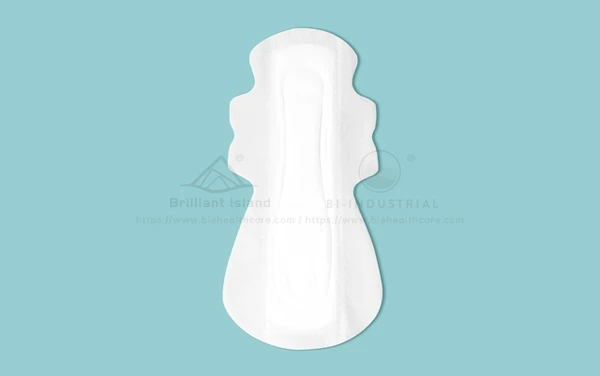
A traditional incontinence pad is usually thicker and may be designed for unisex use or broader leakage protection. It may provide more absorbent volume but can feel bulkier under clothing.
Traditional pads may be suitable for users who need higher capacity or are less concerned about product visibility. However, they may not fit male anatomy as precisely as a dedicated male Guard.
| Factor | Ultra-Thin Men's Guard | Traditional Incontinence Pad |
|---|---|---|
| Discretion | Higher discretion under clothing | May be more visible due to thickness |
| Fit | Male anatomical front-zone fit | Often broader or unisex design |
| Absorbency | Efficient for light to moderate leakage | Often stronger for heavier leakage |
| Comfort | Lightweight and flexible | May feel bulkier |
| Best User | Active men needing discreet protection | Users needing larger coverage or capacity |
Not always. A well-designed ultra-thin guard can provide strong performance for its intended leakage level. The key is not only thickness but core efficiency.
Ultra-thin products often rely on:
Higher-efficiency SAP
Better liquid distribution
Optimized core density
Fast-acquisition topsheet
Low-rewet structure
However, if a user has moderate to heavy leakage, a thicker or maximum absorbency product may still be more appropriate.
For active users with light to moderate leakage, ultra-thin men's guards are often better for daily use because they are discreet and comfortable. For users who need longer protection or have heavier leakage, a traditional pad or maximum absorbency guard may be safer.
The better choice depends on actual user need, not product appearance.
Ultra-thin products have clear benefits, but they are not ideal for every situation.
Limitations may include:
Lower total capacity compared with bulky pads
Less suitable for heavy leakage
Higher dependence on correct placement
Need for advanced material structure
Potentially higher material cost in premium designs
For OEM buyers, ultra-thin guards should be positioned carefully to avoid overpromising.
Traditional pads may still be useful for users who need more coverage or higher absorbency. They are often more forgiving if leakage volume is higher or if the user changes products less frequently.
They can also be suitable for care channels, institutional use, and users who prioritize capacity over discretion.
OEM buyers should select product design based on target market positioning.
| Market Goal | Recommended Product Direction |
|---|---|
| Premium retail product | Ultra-thin breathable male Guard |
| Active lifestyle positioning | Slim anatomical guard with strong adhesive |
| Higher protection segment | Maximum absorbency guard or traditional pad |
| Healthcare distributor channel | Multiple absorbency levels |
| Price-sensitive market | Balanced standard guard structure |
BI-Ehealthcare provides OEM and ODM services for male Guard products, including different sizes, absorbency levels, material structures, and private label packaging. Buyers can develop ultra-thin, moderate, or maximum protection products according to market demand.
Ultra-thin men's guards are ideal for users who need discreet, flexible, and comfortable protection for light to moderate leakage. Traditional incontinence pads may be better for users who need higher capacity or broader coverage. For OEM buyers, the best strategy is to define user needs first, then select the right structure and absorbency level.
Yes, they can be effective for light to moderate leakage when designed with efficient SAP, fast acquisition, and proper fit.
Traditional pads or full adult incontinence products may be more suitable for heavier leakage.
Ultra-thin men's guards are usually more discreet under clothing.
Yes. OEM buyers can customize thickness, absorbency, topsheet, core design, backsheet, and packaging.
Not necessarily. Brands should offer ultra-thin products only if they match target user needs and performance expectations.