EN
EN
 jp
jp  ko
ko  fr
fr  de
de  es
es  it
it  ru
ru  pt
pt  ar
ar  th
th 
The global feminine hygiene market is rapidly shifting toward sustainable, organic, and skin-friendly products. According to market research, the global feminine hygiene products market is expected to exceed USD 60 billion by 2030, while organic sanitary products continue growing at one of the fastest rates in the industry. Consumers are increasingly looking for products made with organic cotton, biodegradable materials, and chemical-free formulations.
For entrepreneurs, distributors, Amazon sellers, and healthcare brands, this creates a strong opportunity to launch a private label organic sanitary pad brand with relatively low market-entry barriers and scalable long-term profits.
As a professional OEM/ODM hygiene manufacturer, BI-Ehealthcare provides customized organic sanitary pad solutions for global brands across more than 70 countries.
Starting a private label organic pad brand means creating your own branded feminine hygiene products manufactured by a specialized OEM/ODM factory.
Launching a successful organic feminine care brand typically involves these steps:
Choose your audience carefully:
Eco-conscious consumers
Sensitive skin users
Teen menstrual care
Premium organic buyers
Sustainable lifestyle communities
Popular markets include:
USA
Canada
Germany
UK
Australia
Southeast Asia
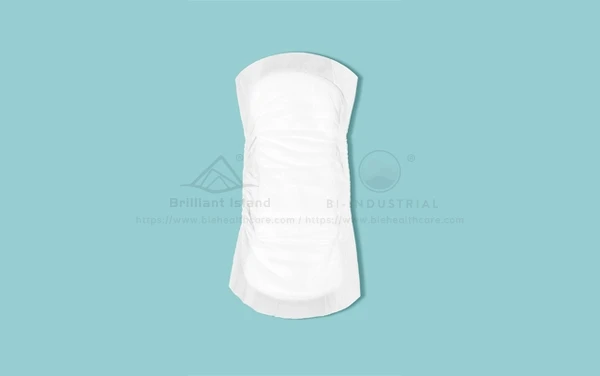
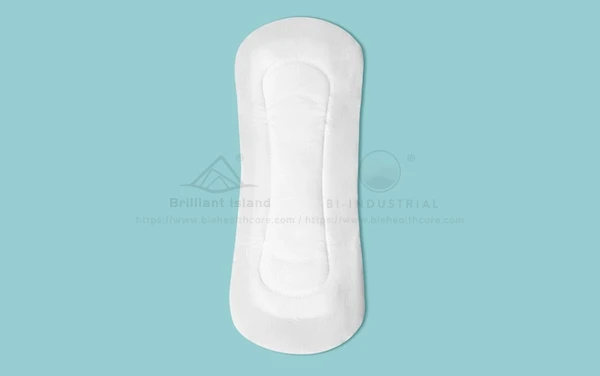
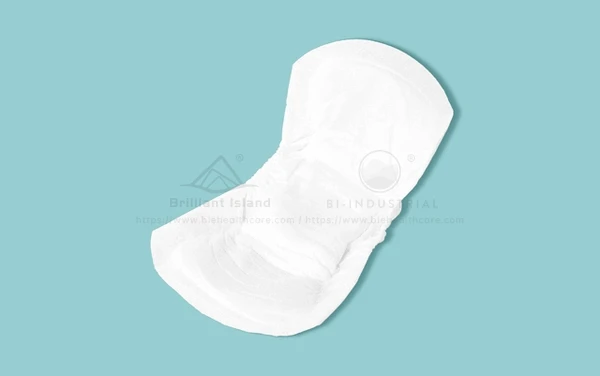
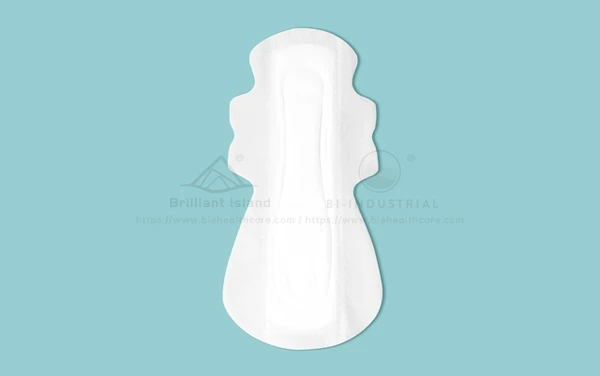
Organic sanitary pads can be customized by:
Size (240mm, 280mm, 320mm, etc.)
Absorbency level
Organic cotton top sheet
Biodegradable back sheet
Wings or wingless design
Fragrance-free options
Packaging style
According to BI-Ehealthcare OEM/ODM Services, such as OEM sanitary pad, OEM wet wipes, and OEM diapers, clients can customize fabrics, wrappers, absorbent cores, packaging, and eco-friendly materials.
Your brand should include:
Logo
Packaging design
Brand story
Sustainability message
Certifications
Social proof
Consumers increasingly prefer brands that emphasize:
Transparency
Sustainability
Women’s health
Skin safety
A qualified OEM partner helps you with:
Product development
Regulatory compliance
Sampling
Packaging
Mass production
Export documentation
BI-Ehealthcare has over 21 years of hygiene manufacturing experience, serving more than 350 OEM clients globally.
The launch cost of an organic sanitary pad brand includes manufacturing, packaging, certification, logistics, branding, and marketing expenses.
Startup budgets vary based on product complexity and order volume.
Many manufacturers require:
50,000–200,000 pieces per SKU
Multiple package configurations
Sanitary pad MOQ generally starts at 200,000 pieces per item depending on specifications.
Organic cotton costs significantly more than conventional materials.
Biodegradable packaging raises costs but improves brand positioning.
Third-party testing and compliance increase trust and online sales conversion.
Lower MOQ production usually increases unit cost.
Private label organic pad manufacturers are specialized feminine hygiene product manufacturers that produce customized feminine hygiene products under your brand name as feminine hygiene product manufacturers.
China remains the leading OEM manufacturing hub due to:
Competitive pricing
Large-scale production
Mature supply chain
Advanced automation
Attend:
Canton Fair
Cosmoprof
Medica
CBME
Alibaba
Made-in-China
Global Sources
| Criteria | Why It Matters |
|---|---|
| OEM/ODM Experience | Faster product development |
| International Certifications | Easier global compliance |
| Production Capacity | Stable delivery |
| Eco-Friendly Materials | Brand positioning |
| Design Support | Better branding |
| Export Experience | Smoother logistics |
BI-Ehealthcare offers:
OEM/ODM customization
Organic and eco-friendly product lines
Automated production systems
International certifications
Packaging design support
Export support for global markets
The company exports to over 70 countries and operates an 80,000㎡ factory.
Certifications for organic sanitary pad brands verify product safety, quality, organic claims, and international compliance.
Selling on Amazon, Walmart, Shopify, or international retail channels often requires certifications.
| Certification | Purpose |
|---|---|
| FDA Registration | US market compliance |
| CE Certification | European market access |
| ISO 9001 | Quality management |
| GMP | Manufacturing standards |
| FSC | Sustainable packaging |
| GOTS | Organic textile validation |
| OEKO-TEX | Textile safety |
According to BI-Ehealthcare, the company holds certifications including:
CE
FDA
GMP
FSC
ISO9001
Certifications improve:
Consumer trust
Amazon approval rates
Retail acceptance
Most online marketplaces require:
Product testing
Ingredient transparency
Packaging compliance
Safety documentation
Definition: Organic feminine care brands are growing rapidly because consumers increasingly prioritize health, sustainability, and chemical-free menstrual products.
Several market trends are accelerating growth.
Consumers are more aware of:
Skin sensitivity
Chemical exposure
Fragrance irritation
Breathability
Eco-conscious shoppers prefer:
Organic cotton
Compostable materials
FSC-certified packaging
Biodegradable products
DTC ecommerce allows small brands to:
Reach global customers
Build subscription businesses
Grow through social media
TikTok, Instagram, and YouTube significantly influence feminine hygiene purchasing decisions.
Industry reports estimate:
Organic feminine care products growing at over 7% CAGR
Ecommerce feminine hygiene sales rising annually
Gen Z consumers preferring sustainable products
| Feature | Organic Pad Brand | Traditional Pad Brand |
|---|---|---|
| Materials | Organic cotton | Conventional synthetic |
| Skin Sensitivity | Lower irritation risk | Higher irritation risk |
| Sustainability | Eco-friendly | Limited sustainability |
| Consumer Trend | Rapid growth | Mature market |
| Pricing | Premium pricing | Standard pricing |
| Brand Positioning | Health-focused | Mass-market |
1. Can I start an organic pad brand with low investment?
Yes. Many startups begin with small product lines and expand after validating market demand.
2. What is the MOQ for private label sanitary pads?
Most factories require between 50,000 and 200,000 pieces depending on customization.
3. Are organic sanitary pads more profitable?
Yes. Organic feminine care products usually support premium pricing and stronger brand loyalty.
4. How long does production take?
Production commonly takes 30–60 days including packaging customization.
5. Can BI-Ehealthcare help with packaging design?
Yes. BI-Ehealthcare provides OEM/ODM support including packaging and branding services.
6. Which countries have the highest demand for organic feminine care?
The USA, Germany, UK, Canada, Australia, and Japan are among the fastest-growing markets.
Creating a private label organic sanitary pad brand is no longer limited to large corporations. With rising demand for sustainable feminine hygiene products, ecommerce growth, and increasing consumer awareness, there is significant opportunity for new brands to enter the market.
Success depends on:
Choosing the right niche
Building a trustworthy brand
Partnering with an experienced OEM manufacturer
Securing proper certifications
Investing in quality and sustainability
As an experienced hygiene product manufacturer with over two decades of expertise, BI-Ehealthcare helps global brands develop customized organic feminine care solutions through OEM and ODM services. Whether you are launching a startup brand or expanding an existing product line, partnering with an experienced manufacturer can significantly reduce risk and accelerate growth.
*BI-Ehealthcare makes no warranties or representations regarding the completeness or accuracy of the information. This information should be used only as a guide and should not be relied upon as a substitute for professional medical or other health professional advice.