EN
EN
 jp
jp  ko
ko  fr
fr  de
de  es
es  it
it  ru
ru  pt
pt  ar
ar  th
th 
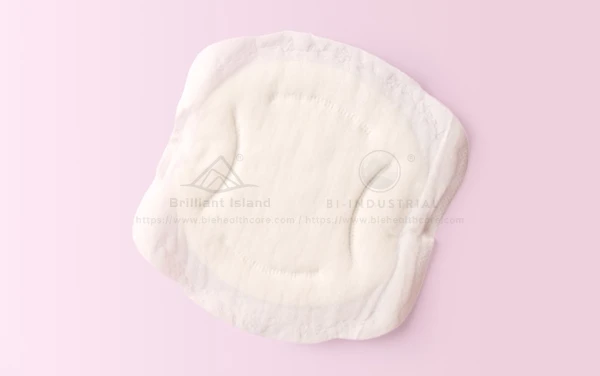
Men's Guard technology is the product engineering behind male incontinence guards: a discreet absorbent pad designed to fit male anatomy, manage light to moderate urine leakage, keep the surface dry, control odor, and stay securely positioned inside close-fitting underwear. Its performance depends on four main areas: anatomical shape, absorbent core structure, skin-contact materials, and leakage-control design.
For OEM and private label buyers, a Men's Guard is not just a smaller version of an adult diaper or a general incontinence pad. It is a targeted male leakage solution where material selection, core placement, absorbency level, pad length, softness, packaging, and fit all affect user comfort, shelf appeal, and repeat purchase.
A professional Men's Guard usually uses a multi-layer structure. Each layer has a specific role in acquisition, absorption, retention, comfort, and leakage prevention.
| Layer | Common Material | Main Function |
|---|---|---|
| Top sheet | Soft nonwoven fabric | Touches the skin, supports comfort, and helps liquid pass quickly into the absorbent layer. |
| Absorbent core | Fluff pulp + SAP | Absorbs urine, distributes liquid, and locks moisture inside the pad. |
| Leakage barrier area | Contoured absorbent zone or barrier structure | Helps reduce side leakage and improves front-area protection. |
| Back sheet | PE bottom film or breathable film | Prevents liquid from passing through to the underwear. |
| Adhesive and release paper | Positioning adhesive + release paper | Keeps the guard fixed inside the underwear during movement. |
| Wrapper | Individual PE wrapper | Supports hygiene, portability, and retail presentation. |
For BI-Ehealthcare's Men's Guard product line, the listed main ingredients include nonwoven fabric, fluff pulp, SAP, and PE bottom sheet. This structure is suitable for OEM and ODM male protection pads because it balances softness, absorption, leakage protection, and manufacturing stability.
SAP, or super absorbent polymer, is one of the most important materials in Men's Guard technology. In practical use, SAP helps absorb urine and convert liquid into a gel-like state inside the core. This improves retention and reduces the chance of wetness returning to the surface.
From a product development perspective, SAP quality affects several key performance indicators:
Absorption speed: How quickly the guard can take in urine after leakage occurs.
Retention capacity: How well the core holds liquid under body pressure.
Dry surface feel: How comfortable the product feels after absorption.
Pad thickness: How discreet the product can remain while offering reliable protection.
Odor control support: How effectively moisture is locked away from the surface.
A high-quality Men's Guard does not rely only on adding more SAP. The ratio between fluff pulp and SAP must be balanced. Too little SAP may reduce absorbency, while poor distribution can cause hard spots, uneven swelling, or leakage channels. For OEM brands, core stability and consistent SAP placement are critical for building customer trust.
Men's Guard products are shaped for front-positioned leakage protection. Unlike unisex pads or feminine hygiene pads, a men's guard needs to match male anatomy and remain stable during walking, sitting, working, or daily movement.
The key design points include:
Front-focused absorbent zone for male urinary leakage patterns.
Contoured shape to improve fit and reduce bunching.
Secure an adhesive strip to keep the guard in place inside the briefs.
Soft edge design to reduce friction against the skin.
Different pad lengths to match different leakage levels and market segments.
BI-Ehealthcare offers Men's Guard options such as 210 mm, 250 mm, and 285 mm, which allow brands to build a product range from moderate daily protection to higher-absorbency use. For distributors and private label buyers, offering multiple absorbency levels can help cover a broader customer base without creating a confusing product lineup.
A Men's Guard is a contoured absorbent pad worn inside close-fitting underwear, while an adult diaper is a full-coverage absorbent garment designed for heavier incontinence or users who need more complete protection.
The choice depends on leakage level, mobility, user preference, and dignity needs. Men's Guard products are usually more discreet, easier to carry, and more suitable for active users with light to moderate urinary leakage. Adult diapers offer wider coverage and higher protection for heavier urinary leakage, fecal incontinence, overnight use, or limited mobility.
| Product Type | Best For | Fit Style | Typical User Need |
|---|---|---|---|
| Men's Guard | Light to moderate male urine leakage | Placed inside close-fitting underwear | Discreet daily protection, mobility, comfort |
| Incontinence liner | Light leakage or occasional dribble | Thin pad inside underwear | Minimal protection with high discretion |
| Adult diaper | Moderate to severe incontinence | Full-coverage garment | Higher capacity, wider protection, care support |
| Adult pants | Active users needing full underwear-style protection | Pull-up style | Greater coverage with familiar underwear feel |
For OEM product planning, Men's Guard should not be positioned as a replacement for all adult incontinence products. It should be positioned as a male-specific, discreet, daily-use solution within a complete adult care product portfolio.
A Men's Guard should be placed inside close-fitting briefs, with the absorbent area positioned toward the front where male leakage occurs. Loose boxer shorts are not ideal because they may not hold the product close enough to the body.
Proper fit directly affects leakage performance. Even a well-designed absorbent core may fail if the guard shifts, folds, or sits too far away from the body. For this reason, adhesive strength, pad flexibility, release paper quality, and ergonomic shape are important product development details.
For retail brands, packaging instructions should clearly explain:
Use with close-fitting underwear.
Remove the release paper before positioning.
Place the wider absorbent area toward the front.
Press the adhesive strip firmly onto the underwear.
Replace the guard when it becomes wet or uncomfortable.
Clear usage guidance reduces complaints and improves consumer satisfaction, especially for first-time male incontinence product users.
When sourcing Men's Guard products, OEM and private label buyers should evaluate more than price per piece. The right specification should match the target market, distribution channel, and user expectations.
Absorbency should match the intended use scenario, such as daily dribble protection, moderate leakage, travel, workplace use, or longer wearing time. A product that is too thin may cause leakage, while an overly bulky product may reduce discretion.
The top sheet and acquisition performance should help move liquid away from the skin quickly. A dry-feel surface is important for comfort, skin friendliness, and repeat purchase.
Odor control is a key purchase driver in male incontinence care. Good odor management depends on absorbent core design, moisture retention, material quality, and optional odor-control technology.
Breathable design helps improve comfort during daily use, especially in warm climates or for active users. Buyers should balance breathability with leakage-barrier requirements.
Men's Guard products should feel secure without being bulky. A slim but reliable structure is especially important for retail markets where users value discretion.
Individual wrapping, pack count, bag design, carton specification, and private label artwork all influence retail acceptance and brand perception. BI-Ehealthcare supports OEM and ODM cooperation, making it possible for brands to customize product positioning, packaging, and supply programs.
Men's Guard products are mainly designed for light to moderate urinary leakage during daily activities. Some higher-absorbency or longer-size options may support extended wear, but overnight suitability depends on leakage volume, sleeping position, pad capacity, and how securely the underwear holds the guard in place.
For users with heavy overnight leakage, adult diapers or adult pants may be more appropriate. For brands, this distinction should be clearly communicated on packaging and product pages to avoid overpromising. Accurate positioning improves user experience and reduces negative reviews.
A strong Men's Guard product line should cover different absorbency needs while remaining easy for consumers to understand. For example, a brand can build a three-level range:
Light protection: Thin, discreet guard for occasional dribble.
Moderate protection: Daily-use Men's Guard for active users.
Maximum protection: Longer and higher-absorbency guard for stronger leakage control.
For B2B buyers, the best product strategy is not simply choosing the highest absorbency. It is selecting the right balance of comfort, discretion, price, packaging, and user need. A well-planned Men's Guard range can serve pharmacies, supermarkets, elderly care distributors, healthcare channels, and private label hygiene brands.
Men's Guard technology combines male-specific anatomical design, soft nonwoven materials, fluff pulp and SAP absorbent core, PE leakage barrier, adhesive positioning, odor control, and discreet packaging. The goal is to provide reliable daily protection for men with light to moderate urinary leakage while maintaining comfort and dignity.
For OEM and private label buyers, material quality and structure design directly affect product performance, customer satisfaction, and brand reputation. BI-Ehealthcare provides Men's Guard OEM and ODM solutions for brands seeking customizable male incontinence products with professional hygiene product manufacturing support.
Male guards are used to manage light to moderate urinary leakage in men. They are worn inside close-fitting underwear and provide discreet protection during daily activities.
No. Men's Guard products are designed for urine absorption and male anatomy. Sanitary pads are designed for menstrual fluid and female body shape, so they do not provide the same targeted fit or leakage control for men.
A dry-feel Men's Guard depends on a soft topsheet, fast liquid acquisition, a well-balanced fluff pulp and SAP core, and good moisture retention under pressure.
Yes. Odor control can be improved through absorbent core design, moisture locking, breathable materials, and optional odor-neutralizing technology.
Briefs or close-fitting underwear are recommended because they help keep the guard close to the body. Loose boxers may allow the product to move, fold, or leak.
OEM buyers should confirm pad size, absorbency level, SAP and fluff pulp structure, topsheet softness, backsheet type, adhesive quality, individual wrapper, pack count, private label design, carton specification, MOQ, and testing standards.