EN
EN
 jp
jp  ko
ko  fr
fr  de
de  es
es  it
it  ru
ru  pt
pt  ar
ar  th
th 
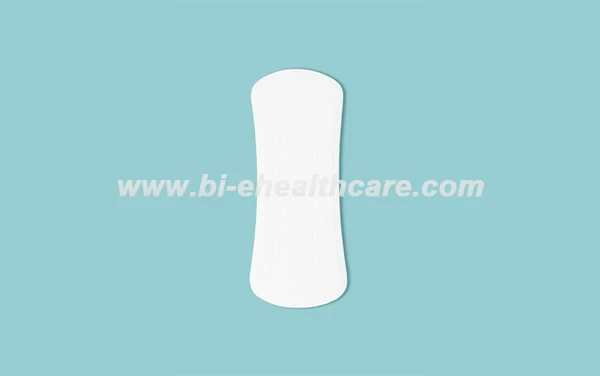
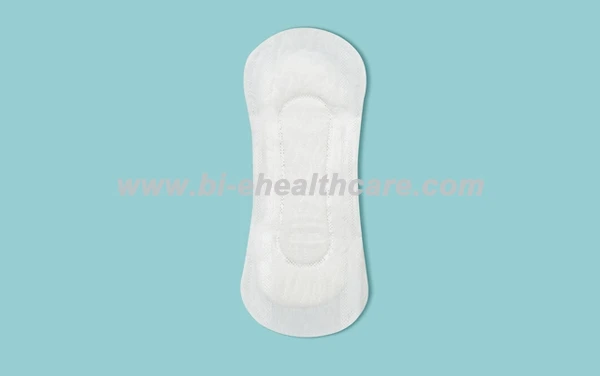
Mini pads are best positioned as compact menstrual products for light flow, spotting, and the beginning or end of a period. They fill the space between daily liners and regular day pads, but only when the product’s tested performance, labelling, and size make that distinction clear.
A complete portfolio is not simply a sequence of longer products. Each SKU should solve a distinct problem. Mini pads can serve consumers who find a regular pad unnecessarily large for low-flow days but need more protection than a liner. This creates a logical absorbency ladder:
daily liner → absorbent/light-flow liner → mini menstrual pad → regular day pad → heavy or night pad.
The category name should remain consistent across packaging, retailer data, website copy, and factory specification. If a product is marketed as both a liner and a menstrual pad, the consumer may not understand its intended capacity.
Low-flow days are the most direct use case. A compact pad can reduce material bulk while providing a menstrual-pad barrier and retention level.
Smaller packs and compact dimensions may feel less intimidating, but the design must not assume all younger users need the same fit. Clear instructions and an absorbency ladder are more useful than age-based claims.
Individually wrapped mini pads can support handbag, school, workplace, hospitality, and emergency-kit channels. Pack durability and discreet disposal become important product features.
Mini pads can provide a lower pack price or a trial SKU, but brands should compare cost per use and margin. A smaller pad does not always mean proportionally lower production cost because converting, wrapping, printing, and quality-control steps remain.
| Specification area | Questions for the buyer |
|---|---|
| Use claim | Light menstrual flow, spotting, backup, or discharge? |
| Dimensions | What body coverage and underwear fit are required? |
| Core | What strike-through, wetback, and retention limits define the SKU? |
| Fixation | Winged or wingless? Full strip, segmented, or multi-line adhesive? |
| Skin-contact material | Nonwoven, apertured, cotton-contact, unscented, lotion-free? |
| Packaging | Single wrap, pocket pack, retail bag, paper carton, e-commerce bundle? |
Strong claims are specific and testable: “designed for light-flow days,” “compact individually wrapped format,” “unscented,” or “cotton-contact topsheet” when accurate. Avoid unsupported medical, allergy, biodegradability, or “chemical-free” language. If a claim depends on one component, state it at component level rather than implying the entire product has the same property.
Packaging should make the use case obvious within seconds. Use a clear size name, product silhouette, dimensions, absorbency cue, pack count, wing status, and material claim. For multilingual export, reserve enough space for legally required information and avoid placing critical claims only on a removable sticker.
Retailers may prefer shelf-ready cartons, while e-commerce channels need puncture resistance, compression tolerance, and barcode accuracy. A compact consumer pack that deforms during parcel delivery can undermine a premium position.
They can be complementary if the benefits are separated. The liner should focus on discharge and very light protection; the mini pad should focus on light menstrual flow. Internal linking from educational content can guide buyers and consumers to the correct product rather than competing for the same search intent.
BI-Ehealthcare develops custom sanitary pad formats and panty liner ranges for private-label brands. A product brief with target length, absorbency, price level, market, and packaging concept can be reviewed through the project enquiry page.
They are intended mainly for light-flow use. Consumers should move to a regular or higher-absorbency pad when flow increases.
A mini pad is positioned for light menstrual flow and generally has stronger retention and barrier performance; a liner is mainly for discharge or spotting.
Pharmacy, supermarket, convenience, e-commerce, travel, school, workplace, and hospitality channels can all work when packaging explains the use case.
Individual wrapping supports hygiene, portability, and discreet carrying, but it adds material, cost, and packaging-line requirements.
Use an existing machine size, standard raw materials, shared packaging components, and digital or low-volume artwork options where available.
BI-Ehealthcare supports OEM and ODM feminine hygiene projects covering material selection, absorbency design, sample development, packaging, quality control and export coordination. Contact BI-Ehealthcare with your target market, size, absorbency, pack count and expected order volume.