EN
EN
 jp
jp  ko
ko  fr
fr  de
de  es
es  it
it  ru
ru  pt
pt  ar
ar  th
th 
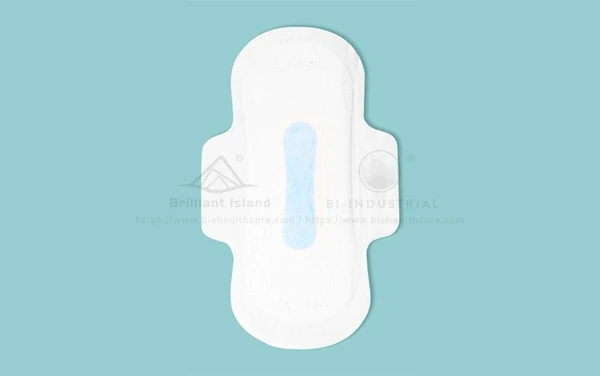
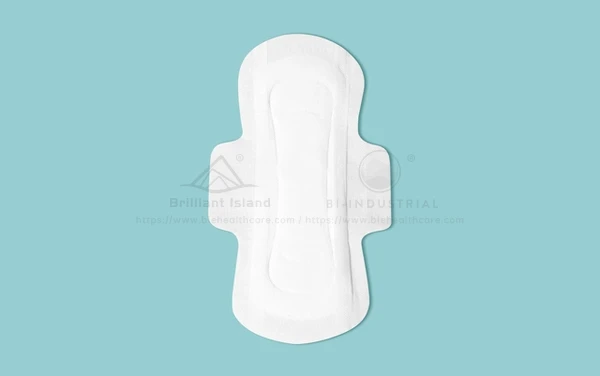
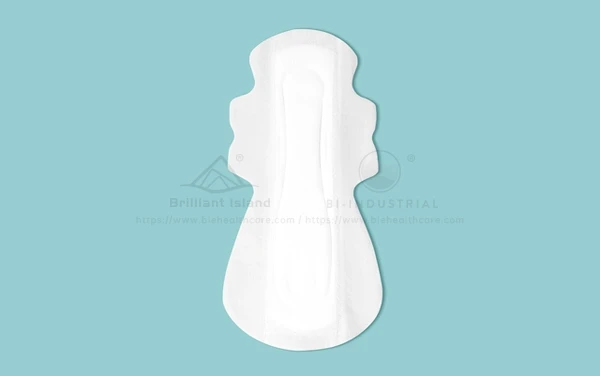
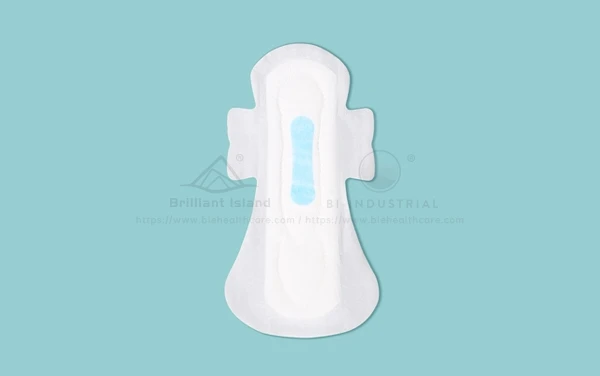
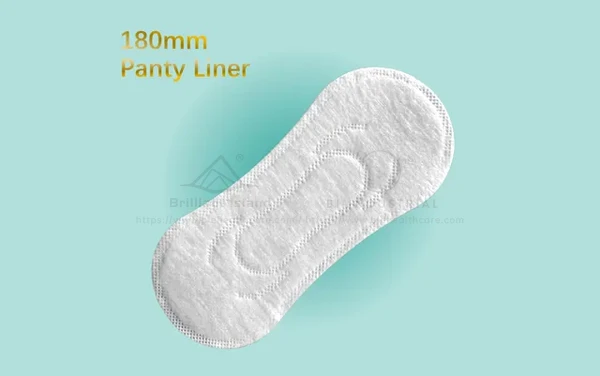
A panty liner is a thin absorbent product attached to the gusset of underwear to manage normal discharge, very light spotting, or backup protection. It works by moving a small amount of fluid through a soft topsheet into a lightweight absorbent layer, while a backsheet helps protect clothing and a pressure-sensitive adhesive keeps the liner in position. It is not designed to replace a sanitary pad for medium or heavy menstrual flow.
The fluid-handling sequence is more important than the total amount of absorbent material. A well-designed liner must accept fluid quickly, spread it through the core, retain it under body pressure, and keep the skin-contact surface reasonably dry.
Topsheet: a hydrophilic nonwoven or cotton-contact layer allows fluid to pass through while providing a soft surface.
Acquisition or tissue layer: distributes a small fluid load and reduces local saturation.
Absorbent core: commonly uses airlaid paper, cellulose tissue, fluff pulp, a small amount of SAP, or a composite structure.
Backsheet: a breathable film or film-nonwoven laminate limits strike-through to underwear.
Garment adhesive and release paper: maintain placement before and during use.
Because a liner has less core mass than a menstrual pad, rapid acquisition and low wetback matter more than a headline absorption number.
| Design factor | Panty liner | Regular sanitary pad |
|---|---|---|
| Primary use | Discharge, spotting, backup, light end-of-cycle flow | Menstrual flow from light to heavy |
| Typical construction | Very thin core, narrow shape, light adhesive coverage | Higher-capacity core, larger area, often wings and leak-control features |
| Absorbency target | Small fluid loads with discreet comfort | Higher retention and leakage protection |
| Product-development priority | Softness, flexibility, breathability, stay-in-place performance | Absorption capacity, acquisition speed, wetback, side and rear leakage control |
For buyers comparing panty liners vs pads, thickness alone is not enough. The intended fluid load, dimensions, core weight, adhesive coverage, and test method should all be defined in the specification.
Typical use cases include normal vaginal discharge, light spotting, the first or last day of a period, backup with an internal menstrual product, and short-duration freshness needs. A liner should be replaced when it becomes damp, displaced, soiled, or uncomfortable. Persistent changes in discharge, odor, irritation, pain, or unusual bleeding require medical advice rather than a higher-absorbency liner.
A sourcing brief should define measurable requirements instead of relying only on words such as “soft” or “ultra-thin.” Important fields include finished length and width, thickness under a stated pressure, topsheet material and basis weight, core composition, target absorption and wetback, backsheet type, adhesive pattern, release-paper weight, individual wrapping, fragrance status, pack count, and carton configuration.
Buyers should also request pilot samples made on the intended production line. Hand samples can look correct but do not prove web tension, adhesive cut-off, folding, wrapper sealing, or high-speed dimensional stability.
Yes. An experienced panty liner manufacturer can adjust shape, length, topsheet, absorbent structure, embossing, fragrance, adhesive coverage, wrapper style, pack count, and artwork. However, every claim—such as organic, biodegradable, dermatologically tested, or hypoallergenic—should be supported by appropriate material certificates and finished-product evidence.
A practical range usually starts with fewer, clearly separated SKUs: a compact daily liner, a longer liner for extra coverage, and an absorbent light-flow liner. Adding too many nearly identical sizes can increase tooling, packaging inventory, and forecasting complexity without improving consumer choice. BI-Ehealthcare supports OEM and ODM feminine hygiene development for brands that need material, size, absorbency, and packaging customization.
It is designed for light discharge, spotting, backup protection, and low-volume fluid management. It is thinner and less absorbent than a menstrual pad.
It may be suitable for very light flow at the beginning or end of a period, but it is generally not appropriate for medium or heavy menstrual flow.
Change a liner when it becomes damp, soiled, displaced, or uncomfortable. Wear time depends on fluid level, activity, climate, and product design.
Not necessarily. Fragrance can improve perceived freshness in some markets, but unscented products are often preferred for sensitive-skin positioning and simpler claim management.
At minimum: dimensions, weight, thickness, strike-through, wetback, absorption or retention, adhesive stay-in-place performance, release, package sealing, and visual defects.
BI-Ehealthcare supports OEM and ODM feminine hygiene projects covering material selection, absorbency design, sample development, packaging, quality control and export coordination. Contact BI-Ehealthcare with your target market, size, absorbency, pack count and expected order volume.