EN
EN
 jp
jp  ko
ko  fr
fr  de
de  es
es  it
it  ru
ru  pt
pt  ar
ar  th
th 
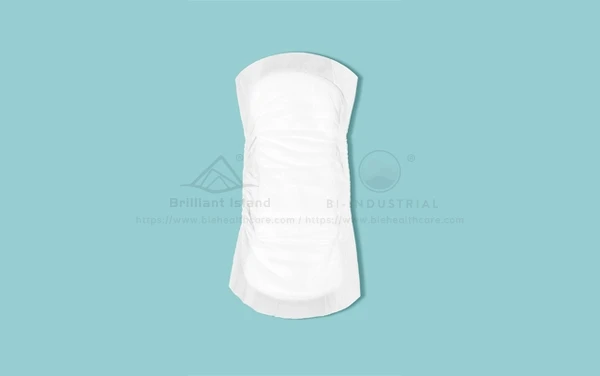
Organic cotton is one of the most recognized eco-friendly materials in sanitary pads, but it is not the only option. Brands can also explore bamboo fibre, chlorine-free pulp, responsibly sourced fluff pulp, bio-based films, biodegradable wrappers, FSC packaging, and lower-impact nonwoven materials. The best product design combines material responsibility with comfort and leakage protection.
For OEM buyers, the key is to select materials that support both brand claims and real product performance.
Organic cotton is valuable for the top sheet, but a sanitary pad contains multiple layers. If a brand wants a more complete eco-friendly story, it should review the absorbent core, back sheet, wrapper, retail box, carton, and supply-chain documentation.
This broader approach also helps brands create multiple product tiers. A premium line may use organic cotton top sheets, while a sustainable value line may combine cotton-soft materials with FSC packaging and optimized core design.
| Material | Application | Benefit | Buyer Caution |
|---|---|---|---|
| Organic cotton | Top sheet | Soft contact, organic positioning | Verify certificate scope |
| Bamboo fibre | Top sheet or absorbent layer | Natural-fibre story, soft feel | Check processing and claim evidence |
| Chlorine-free pulp | Absorbent core | Cleaner material positioning | Confirm source and performance |
| Bio-based film | Back sheet or wrapper | Potential plastic-reduction story | Test barrier strength and shelf life |
| FSC paper | Retail box and carton | Responsible packaging sourcing | Do not imply pad certification |
| Cotton-soft nonwoven | Top sheet | Balanced softness and cost | Not the same as organic cotton |
Bamboo can be a useful natural-fibre story, but it is not automatically better than organic cotton. The answer depends on processing method, softness, absorbency, supplier documentation, and claim accuracy. Organic cotton has stronger recognition among many premium feminine care consumers, while bamboo may help brands create a differentiated eco line.
Buyers should test both materials and choose based on target market, price point, and available documentation.
FSC packaging supports responsible sourcing for paper-based packaging. It is especially useful for organic or eco-friendly sanitary pad brands because packaging is visible and easy for consumers to understand. However, FSC applies to packaging material, not to the absorbent pad itself.
A strong packaging message might say: “FSC-certified paper box with individually wrapped sanitary pads.” This is clear and specific.
Bio-based films can be used in some applications, but they must be tested carefully. A sanitary pad back sheet needs reliable leakage prevention, flexibility, sealing compatibility, and shelf stability. If a film weakens barrier performance, the product may fail even if the material story is attractive.
For this reason, buyers should compare bio-based film, breathable PE film, and other back sheet options through real product testing.
Eco-friendly materials should be described component by component. A product may include an organic cotton top sheet, FSC paper packaging, and a conventional absorbent core. This can still be a strong product, but it should not be described as fully biodegradable or plastic-free unless all components support that claim.
Use “organic cotton top sheet” instead of “fully organic pad” when only the surface is organic.
Use “FSC-certified paper packaging” instead of “FSC-certified pad.”
Use “selected biodegradable components” only when the components are identified.
Keep documents for every claim used on the packaging.
A practical approach is to build a good-better-best product range:
Good: soft nonwoven top sheet, optimized core, compact packaging.
Better: organic cotton top sheet, fragrance-free design, FSC paper box.
Best: organic cotton top sheet, selected plant-based components, FSC packaging, claim documentation, premium retail design.
This gives the brand pricing flexibility while maintaining a consistent sustainability direction.
There is no single best material for every product. Organic cotton, bamboo fibre, responsibly sourced pulp, bio-based films, and FSC packaging can all contribute to better product design when used appropriately.
Bamboo fibre may be biodegradable, but the whole pad may not be fully biodegradable if it contains SAP, glue, PE film, or conventional wrappers. Brands should specify which components are biodegradable.
Chlorine-free pulp refers to pulp processed without certain chlorine bleaching methods. It can support cleaner material positioning, but buyers should confirm technical details with the supplier.
Yes. SAP helps provide high absorbency and leakage protection. If SAP is used, brands should avoid claiming the whole pad is fully biodegradable unless they have evidence supporting that claim.
Eco-friendly sanitary pad design goes beyond organic cotton. The strongest products combine responsible material choices, honest claims, reliable absorbency, and packaging documentation. BI-Ehealthcare® supports customized eco-friendly pads and private-label feminine hygiene solutions for global buyers.