EN
EN
 jp
jp  ko
ko  fr
fr  de
de  es
es  it
it  ru
ru  pt
pt  ar
ar  th
th 
OEM panty liners are manufactured on continuous converting lines that unwind multiple materials, build the absorbent structure, laminate the layers, apply garment adhesive, cut the product, wrap it, inspect it, and pack it at controlled speed. The strongest programmes begin before the line starts: with a signed product specification, approved reference sample, material list, artwork standard, test plan, and change-control procedure.
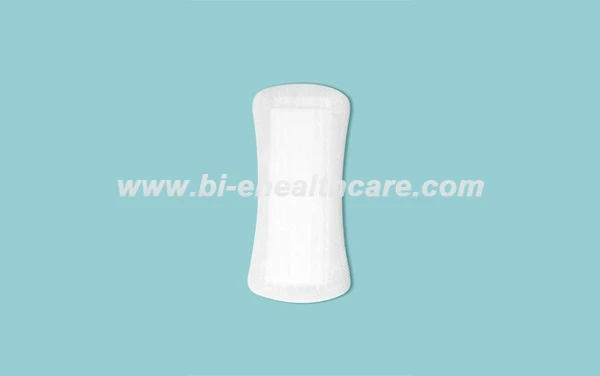
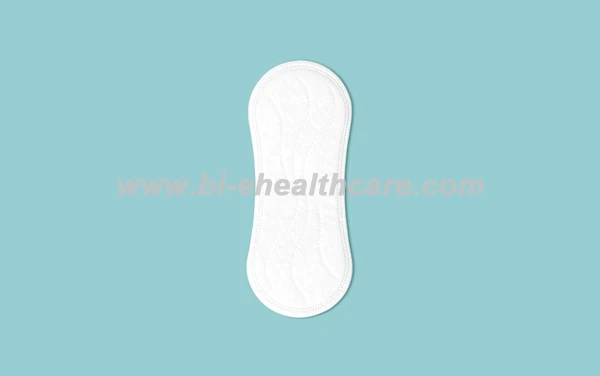
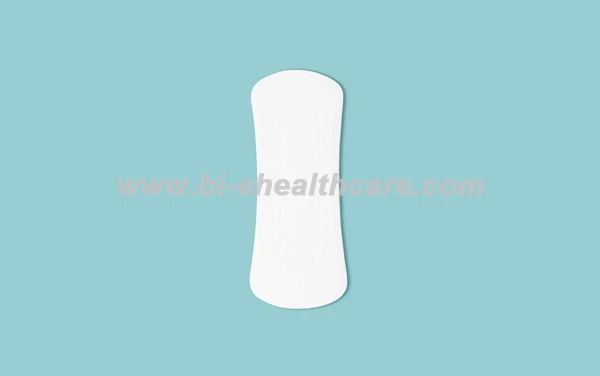
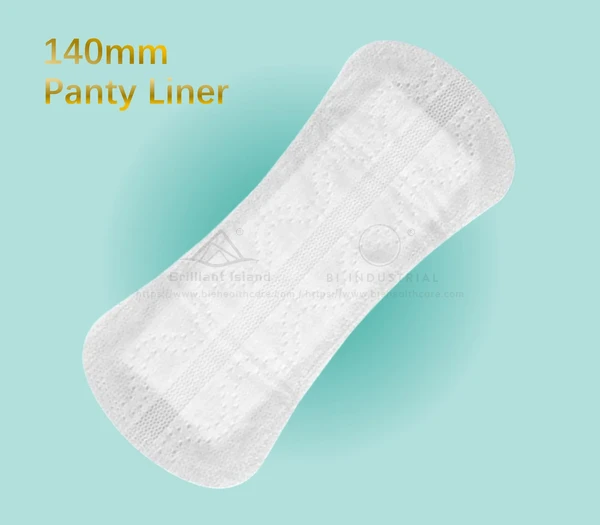
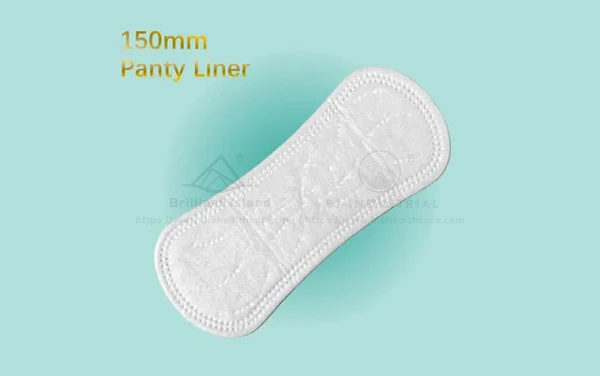
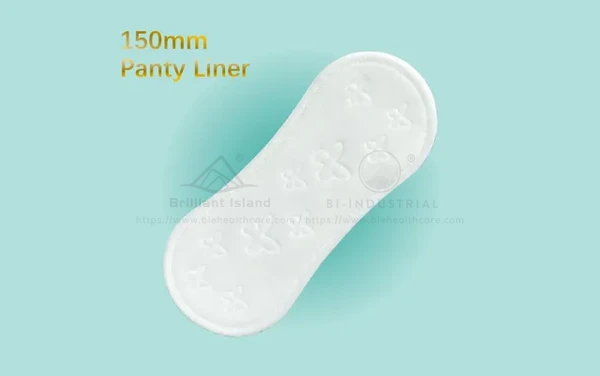
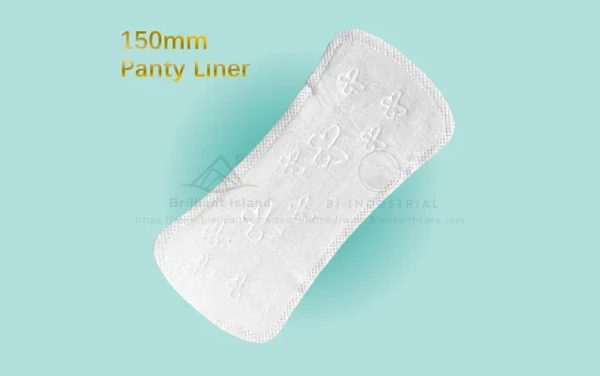
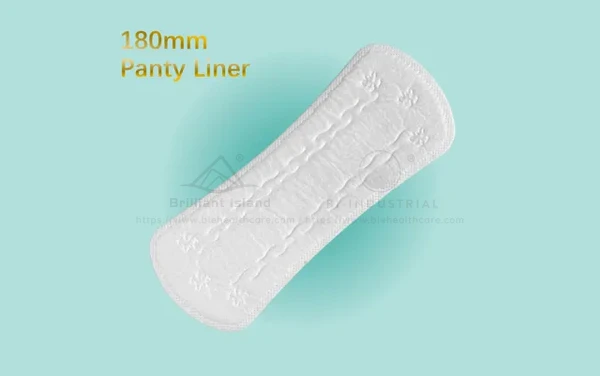
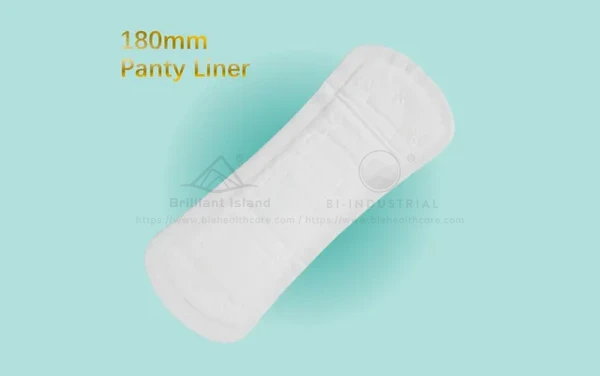
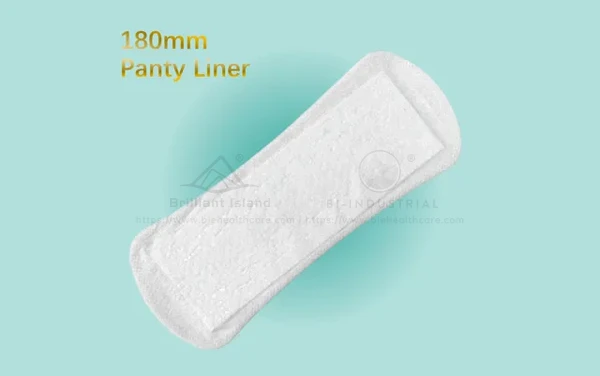
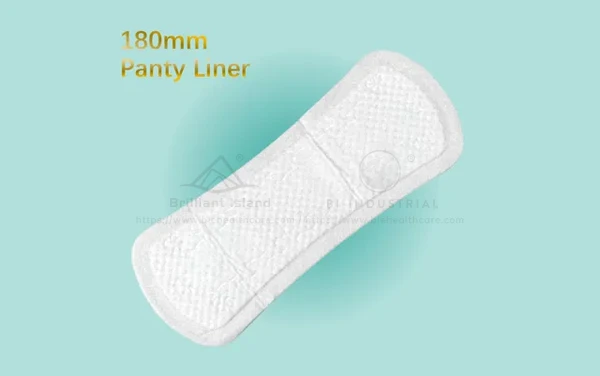
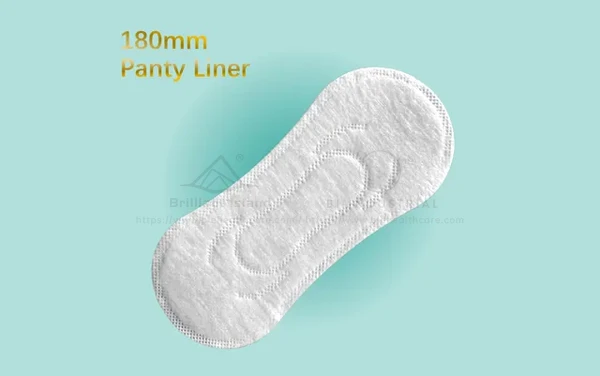
The buyer and factory first define dimensions, shape, thickness, topsheet, core, backsheet, adhesive, release paper, fragrance status, embossing, wrapper, pack count, carton, target markets, and performance limits. The factory then checks whether the design fits existing equipment or requires a new die, embossing roll, glue pattern, folding unit, or packaging adjustment.
A professional feasibility review should identify risks early. Examples include an extremely narrow liner that cannot carry the requested core weight, a paper wrapper that cannot seal on the existing machine, or an adhesive specification that fails in hot-climate distribution.
Typical materials include spunbond or thermal-bond nonwoven, cotton-contact cover material, tissue, airlaid paper, fluff pulp, SAP, polyethylene or breathable backsheet film, hot-melt adhesives, release paper, individual wrapper film or paper, printed bags, and cartons.
Incoming checks may include supplier identity, lot number, certificate of analysis, basis weight, width, thickness, tensile strength, appearance, odor, contamination, winding quality, film barrier, and print accuracy. Materials are released to production only after they meet the approved specification.
Large rolls are mounted on unwind stations. Automatic splicing and web-guiding systems help maintain continuous production. Tension must be controlled because thin nonwovens can stretch, wrinkle, or drift, causing poor registration and inconsistent product width.
Depending on the design, the line lays down tissue, airlaid material, pulp, SAP, or a preformed composite core. An acquisition layer may be added below the topsheet. The core is stabilized by wrapping, embossing, thermal bonding, or carefully controlled construction adhesive.
Core weight and placement are critical process parameters. A liner that meets total weight but has material shifted away from the loading zone can still fail wetback or leakage tests.
The topsheet, core, and backsheet are combined. Embossing can improve shape definition, flexibility, fluid direction, or visual identity, but excessive pressure can reduce pore volume. Construction adhesive bonds the internal layers. Garment adhesive is applied to the outward-facing backsheet in a strip, bead, or patterned coating, then protected with release paper.
A rotary die cuts the liner profile. Trim is removed, and the product is folded if required. Individual wrappers are registered, sealed, and cut. Vision systems can check shape, position, print registration, and missing components. Metal detection and other controls may be used according to the factory’s risk assessment and buyer requirements.
Operators and quality staff sample products at defined intervals. Common checks include dimensions, weight, thickness, appearance, core position, embossing, adhesive placement, release performance, strike-through, wetback, absorption, package seal, pack count, coding, and carton marks. Out-of-control results trigger segregation and investigation, not only a machine adjustment.
Finished packs are coded and placed into export cartons. Batch records should connect the carton to production date, line, shift, material lots, inspection results, and disposition. Export release can include inspection reports, packing lists, certificates, artwork approval, and destination-specific documents.
Review material segregation, pest control, cleaning, personnel flow, calibration, line maintenance, nonconforming-product control, complaint handling, traceability, sample retention, artwork control, and supplier qualification. A clean workshop is important, but documented process control is what makes results repeatable.
BI-Ehealthcare has focused on hygiene-product development and export since 2003. Buyers can review its company and manufacturing profile, explore custom panty liner options, or submit a target specification through the contact page.
MOQ depends on the machine platform, material customization, printed packaging, pack count, and whether existing components can be used.
Timing depends on specification complexity, tooling, material sourcing, artwork approval, pilot testing, and destination-market documentation.
A sample can guide dimensions and performance, but the final design should be legally reviewed, independently specified, and validated on the factory’s own production line.
Product specification, bill of materials, approved sample, artwork, colour standard, test plan, packaging configuration, and change-control terms.
Use measurable tolerances, qualified materials, production-line samples, defined test methods, lot traceability, and written approval for any material or process change.
BI-Ehealthcare supports OEM and ODM feminine hygiene projects covering material selection, absorbency design, sample development, packaging, quality control and export coordination. Contact BI-Ehealthcare with your target market, size, absorbency, pack count and expected order volume.