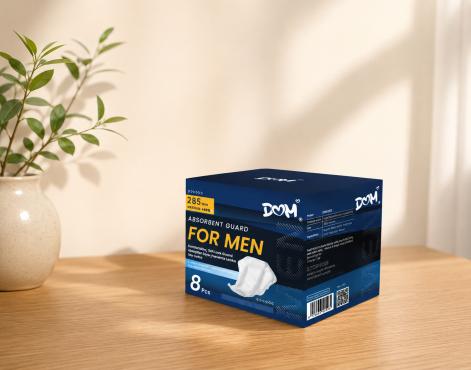
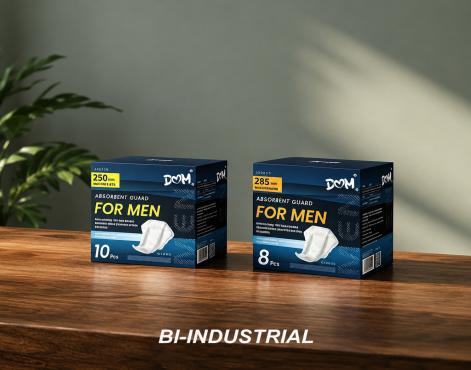
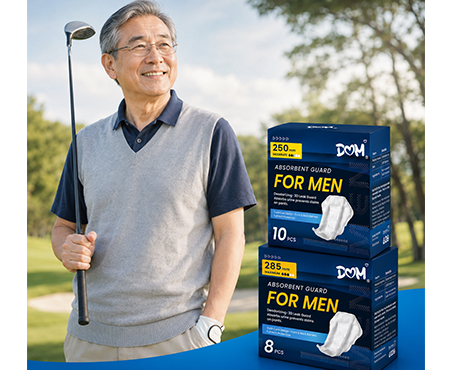
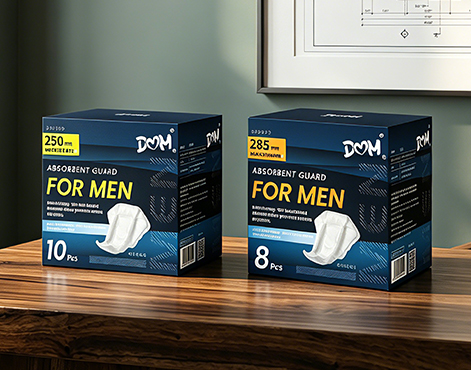
In the highly competitive incontinence care market, packaging is no longer just a protective layer—it directly influences consumer trust, retail performance, regulatory compliance, and brand recognit...
High-quality men's protective pads undergo a comprehensive quality inspection process that begins with raw material verification and continues through in-process production monitoring, absorbency ...
Manufacturers of men's incontinence guards must comply with different regulatory frameworks depending on their target markets. In Europe, men's guards are generally regulated under the Medical...
Ultra-thin men's guards are designed for discretion, flexibility, and light to moderate male leakage protection, while traditional incontinence pads usually focus on broader coverage and higher ab...
Future innovations in men's incontinence materials will focus on thinner absorbent cores, faster SAP performance, breathable and skin-friendly nonwovens, improved odor control, sustainable materia...
Odor control technology in men's incontinence products is designed to reduce urine odor by absorbing liquid quickly, locking moisture inside the core, limiting wet surface exposure, and using mate...
The right men's guard should match the user's leakage level, daily routine, mobility, underwear style, wearing time, and comfort expectations. A light male Guard may suit occasional drips, whi...
Men's guards are designed in different absorbency levels to match different urinary leakage conditions. A light male Guard is suitable for occasional dribbles, a moderate guard is designed for dai...
Breathable materials in modern men's guards are designed to improve air circulation, reduce heat buildup, support skin comfort, and maintain leakage protection. A breathable male Guard usually com...
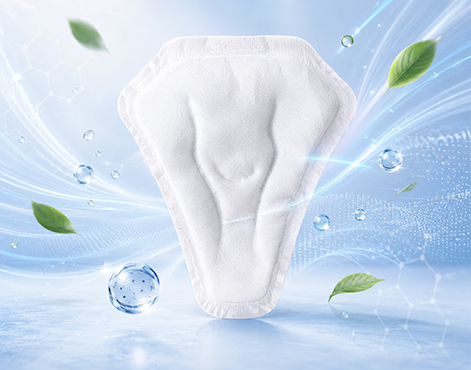
Men’s incontinence products, especially male Guard pads, are manufactured through a multi-layer precision process that combines hygiene material engineering, absorption technology, and automated prod...
 EN
EN
 jp
jp  ko
ko  fr
fr  de
de  es
es  it
it  ru
ru  pt
pt  ar
ar  th
th