EN
EN
 jp
jp  ko
ko  fr
fr  de
de  es
es  it
it  ru
ru  pt
pt  ar
ar  th
th 
Choosing between OEM and private label depends on your brand’s goals, product strategy, budget, and level of customization required. OEM is ideal for brands that need customized products with unique specifications, while private label works better for companies seeking faster market entry with existing product formulas and designs.
For businesses in the feminine hygiene industry, selecting the right manufacturing model can influence product differentiation, production costs, launch speed, and long-term brand growth.
The main difference is the level of product customization and development involvement.
OEM (Original Equipment Manufacturer) allows brands to create products based on their own requirements. The manufacturer produces according to customized designs, materials, specifications, or technical standards provided by the brand.
Private label manufacturing allows brands to sell existing products developed by a manufacturer under their own brand name. The customization level is usually focused on branding elements such as packaging, labeling, and minor product adjustments.
Both models provide opportunities for businesses to scale without building their own factories, but they serve different business needs.
| Aspect | OEM Manufacturing | Private Label Manufacturing |
|---|---|---|
| Product Development | Customized based on brand requirements | Existing products adapted for branding |
| Customization Level | High | Medium to low |
| Development Time | Longer | Faster |
| Initial Investment | Higher | Lower |
| Product Differentiation | Stronger | More limited |
| Best For | Brands seeking unique products | Businesses entering markets quickly |
OEM manufacturing involves close cooperation between the brand and manufacturer throughout the product development process.
The typical OEM process includes:
Brands define their product goals, including:
Target customers
Product functions
Materials
Performance requirements
Packaging specifications
The manufacturer then evaluates feasibility and provides technical recommendations.
OEM partners assist with:
Material selection
Product structure optimization
Prototype development
Performance testing
Quality evaluation
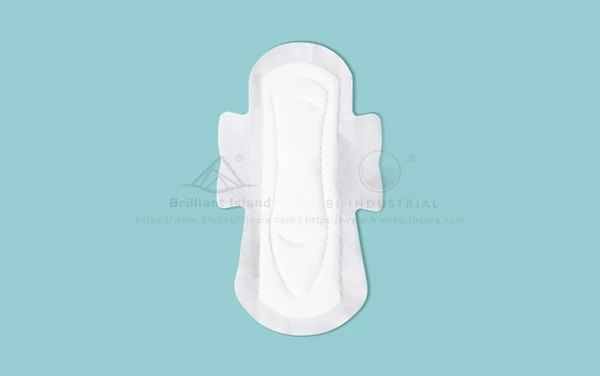
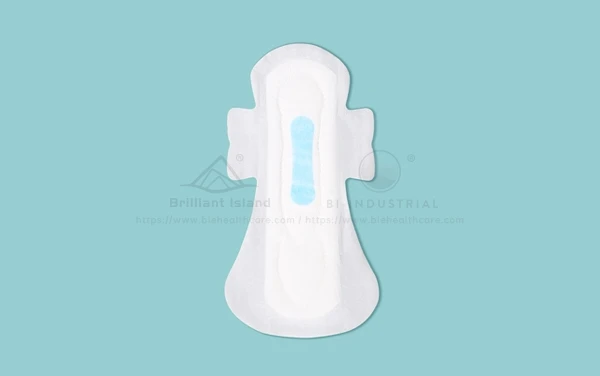
For feminine hygiene brands, this may include developing customized sanitary pads, menstrual products, or other personal care solutions based on specific market needs.
After approval, the manufacturer manages:
Production planning
Manufacturing processes
Quality inspections
Packaging
Delivery coordination
A professional OEM partner ensures consistency between prototypes and final products.
OEM allows brands to develop unique products instead of competing with similar market offerings.
Benefits include:
Customized materials
Exclusive product designs
Unique functional features
Brand-specific solutions
This is especially valuable in competitive markets where consumers increasingly expect specialized products.
With OEM cooperation, brands have greater involvement in product specifications and manufacturing standards.
Companies can define:
Material requirements
Product performance targets
Testing standards
Packaging expectations
This helps maintain consistent product quality and strengthen customer trust.
OEM is suitable for companies building long-term product strategies. Instead of simply selling existing products, brands can develop proprietary solutions that create stronger market positioning.
Private label manufacturing enables businesses to launch products quickly by using a manufacturer’s existing product range.
The manufacturer handles product development and production, while the brand focuses on:
Marketing
Sales channels
Customer relationships
Brand positioning
This model is widely used by startups, retailers, and companies testing new market opportunities.
Private label products can typically enter the market faster because the product development process is already completed.
Brands can reduce time spent on:
Product research
Formula development
Manufacturing setup
Testing procedures
This allows companies to respond quickly to market demand.
Private label requires less investment compared with developing completely customized products.
It reduces costs related to:
Research and development
Equipment investment
Product testing
Manufacturing preparation
This makes it suitable for businesses with limited initial budgets.
Brands can use private label products to evaluate customer demand before investing in fully customized product lines.
This approach helps companies:
Test new categories
Collect customer feedback
Understand market trends
Plan future product development
Neither model is universally better. The right choice depends on your business stage and objectives.
Unique product designs
Exclusive specifications
Long-term product differentiation
Greater control over materials and performance
Strong brand identity
OEM is often preferred by established brands that want to create products with competitive advantages.
Faster market entry
Lower initial investment
Existing product solutions
Simple branding customization
Quick product testing
Private label is often a practical option for startups or businesses entering a new category.
Yes. Many successful companies use a combination of both models.
For example:
Start with private label products to quickly enter the market
Analyze customer feedback and sales performance
Develop customized OEM products for long-term growth
This hybrid approach allows brands to balance speed, cost efficiency, and product innovation.
Regardless of whether you choose OEM or private label, selecting the right manufacturing partner is critical.
Brands should evaluate:
A reliable partner should have:
Industry-specific production knowledge
Advanced manufacturing facilities
Strong quality management systems
Experience with international markets
For OEM projects, manufacturers should provide support in:
Product development
Material selection
Packaging design
Testing and improvement
A professional manufacturer should ensure:
Stable raw material sourcing
Consistent production capacity
Reliable delivery schedules
Transparent communication
The right partner supports not only production but also long-term business growth.
Generally, OEM requires a higher investment because it involves customized product development, testing, and production adjustments. Private label usually has lower initial costs because products are already developed.
Private label is often suitable for startups because it allows faster market entry with lower investment. However, startups planning long-term differentiation may transition to OEM after validating market demand.
Yes. Private label products can usually be customized in areas such as packaging, labeling, colors, and some product features. However, the customization level is typically lower than OEM manufacturing.
The timeline depends on product complexity, testing requirements, and customization level. Products requiring new materials or designs generally require more development time than standard manufacturing projects.
OEM/ODM manufacturers provide professional product development, production expertise, quality control, and supply chain support. They help brands create competitive products without investing in their own manufacturing facilities.
The choice between OEM and private label depends on your brand’s growth strategy. Private label provides speed, affordability, and easier market entry, while OEM offers deeper customization, stronger differentiation, and greater control over product development.
For brands aiming to build long-term value, partnering with an experienced OEM/ODM manufacturer provides the flexibility and expertise needed to transform product ideas into successful market solutions. The right manufacturing model is not only a production decision—it is a strategic step toward sustainable brand growth.