EN
EN
 jp
jp  ko
ko  fr
fr  de
de  es
es  it
it  ru
ru  pt
pt  ar
ar  th
th 
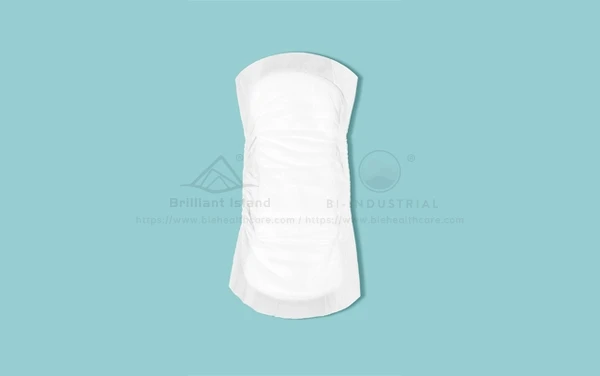
Sustainable manufacturing for feminine care means designing and producing sanitary pads, panty liners, maternity pads, and related hygiene products with lower waste, better material control, efficient energy use, responsible packaging, and verifiable claims. It is not only about using one eco-friendly material. It is about improving the full production and product lifecycle.
For B2B buyers, sustainable manufacturing should be measured by practical outcomes: stable quality, reduced defects, efficient material use, safer formulation choices, packaging responsibility, and traceable documentation.
In feminine hygiene, sustainable manufacturing covers material sourcing, production efficiency, product design, packaging, quality control, and after-use considerations. Since sanitary pads are absorbent hygiene products, performance cannot be sacrificed. A sustainable pad must still be comfortable, absorbent, hygienic, and reliable.
The goal is to reduce unnecessary impact while maintaining user protection. This includes avoiding excessive packaging, optimizing raw material usage, reducing production waste, and selecting materials with clear safety and sustainability documentation.
Life cycle thinking prevents brands from focusing only on one visible material. For example, replacing a top sheet with a natural fibre may improve comfort and brand perception, but the product still includes core materials, adhesives, back sheets, wrappers, cartons, transport, and disposal.
Life cycle thinking asks better questions: Which materials create the biggest impact? Can the product be made lighter without reducing absorbency? Can packaging be minimized? Can defects be reduced? Can the brand avoid claims that are not supported by full-product evidence?
| Area | Sustainable Manufacturing Action | Brand Benefit |
|---|---|---|
| Material selection | Organic cotton, responsibly sourced pulp, optimized SAP, alternative films | Better product story and user comfort |
| Production efficiency | Stable machine settings, reduced trim waste, accurate dosing | Lower waste and better consistency |
| Quality control | Incoming inspection, online checks, final inspection | Fewer defects and complaints |
| Packaging | FSC paper, compact cartons, recyclable design where feasible | Stronger retail sustainability positioning |
| Documentation | Certificates, technical data, batch traceability | Better buyer confidence and compliance support |
Yes. Sustainable feminine care should not mean weak absorbency or poor leakage protection. Performance depends on product engineering. A well-designed eco-friendly pad can use a soft contact layer, optimized absorbent core, breathable back sheet, and secure wings while still reducing unnecessary materials or improving sourcing.
Buyers should test absorption speed, rewet, leakage, adhesive strength, wrapper integrity, and comfort before approving mass production.
European rules and market expectations are making sustainability claims more evidence-based. Packaging waste rules encourage better packaging design. Green-claim rules push brands to avoid vague environmental statements. Supply-chain due diligence expectations encourage better supplier documentation. These trends reward manufacturers that can provide traceability and clear technical support.
Which eco-friendly material options can be used without reducing performance?
Can you provide FSC packaging options?
Can the pad be made fragrance-free and lotion-free?
What production waste controls are in place?
How do you manage batch traceability?
Can you support organic cotton, biodegradable, or sensitive-skin product lines?
What claims can be supported by documentation?
Defective products create waste. A leaking pad, misprinted wrapper, or inconsistent adhesive can lead to returns, disposal, and loss of brand trust. Quality control is therefore a sustainability issue as well as a performance issue. The most sustainable product is not simply the one with the most eco materials; it is the one that performs reliably and avoids unnecessary waste.
They are feminine hygiene products designed with better material choices, responsible packaging, efficient production, and clear documentation while maintaining hygiene, absorbency, and comfort.
Not always in every context. Sustainability depends on life cycle factors including materials, washing, use behavior, durability, disposal, and user acceptance. Disposable products can also improve through better design and manufacturing.
A factory can reduce waste through accurate material dosing, stable production settings, trim control, defect prevention, packaging optimization, and batch-level quality inspection.
A credible claim is specific, documented, and limited to what can be proven. For example, “FSC-certified paper packaging” is more credible than a broad “planet-friendly pad” claim.
Sustainable manufacturing for feminine care requires product engineering, quality control, packaging strategy, and transparent documentation. BI-Ehealthcare combines OEM/ODM experience with modern production and quality supervision to support feminine hygiene solutions for global brands.