EN
EN
 jp
jp  ko
ko  fr
fr  de
de  es
es  it
it  ru
ru  pt
pt  ar
ar  th
th 
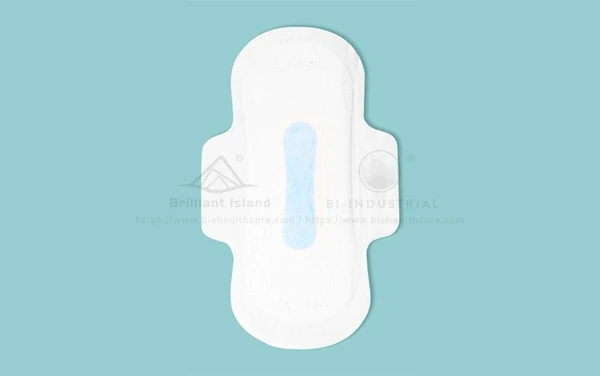
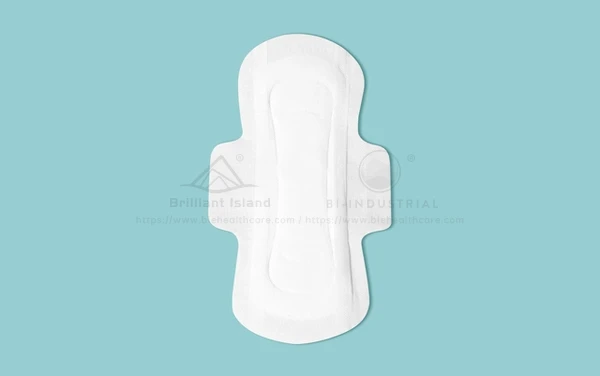
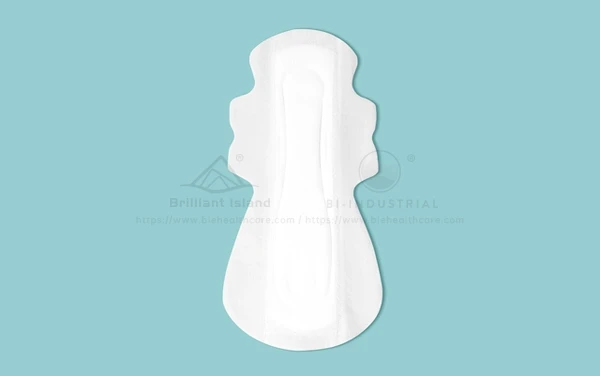
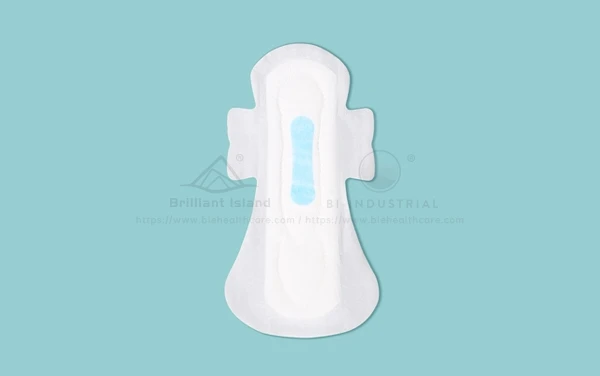
A male guard is a disposable absorbent pad designed specifically for men who experience light to moderate urine leakage. It is worn inside close-fitting underwear, with the absorbent area positioned toward the front of the body. Unlike general incontinence pads or adult diapers, a male guard is shaped around male anatomy to provide targeted leakage protection, better discretion, and a more secure daily fit.
For hygiene brands, distributors, pharmacies, and private label buyers, the value of a male guard depends on more than absorbency. Product shape, SAP distribution, top sheet softness, backsheet performance, adhesive strength, odor control, packaging, and size segmentation all influence user satisfaction and repeat purchase.
A male guard is used to manage male urinary leakage, especially small dribbles, post-urination leakage, stress-related leakage, and light to moderate bladder weakness. It helps absorb urine before it reaches underwear or outer clothing, allowing users to maintain comfort, privacy, and confidence during daily activities.
Typical use scenarios include:
Daily urine dribble protection
Light to moderate male incontinence management
Post-prostate surgery leakage support
Workplace, travel, and outdoor activity protection
Discreet protection for active male users
A male guard is not intended to replace all adult incontinence products. For heavy urinary leakage, overnight leakage, or users with limited mobility, adult diapers or adult pants may be more suitable. However, for men who remain active and need discreet protection, male guards are often a practical and comfortable product category.
A male guard works through a layered absorbent structure. The soft top sheet allows urine to pass quickly into the inner core. The absorbent core, usually made with fluff pulp and SAP, absorbs and locks in liquid. The backsheet helps prevent leakage through the pad, while the adhesive strip keeps the guard fixed inside the underwear.
In professional product design, each layer has a clear function:
| Component | Common Material | Function |
|---|---|---|
| Top sheet | Soft nonwoven fabric | Provides skin-contact comfort and supports fast liquid transfer. |
| Absorbent core | Fluff pulp + SAP | Absorbs urine, distributes liquid, and helps lock moisture inside. |
| Back sheet | PE bottom sheet or breathable film | Helps prevent liquid from passing through to the underwear. |
| Adhesive strip | Positioning adhesive | Secures the guard inside close-fitting underwear. |
| Wrapper | Individual PE wrapper | Supports hygiene, portability, and discreet carrying. |
BI-Ehealthcare's male guard product structure uses nonwoven fabric, fluff pulp, SAP, and a PE bottom sheet. This material combination is widely used in disposable hygiene products because it helps balance softness, absorption, leakage protection, and production consistency.
A male guard and a male shield are both designed for men, but they are usually positioned for different leakage levels. A male shield is generally thinner and used for very light leakage or occasional dribbles. A male guard is usually thicker, more absorbent, and better suited for light to moderate leakage.
| Product Type | Best For | Typical Feature |
|---|---|---|
| Male shield | Very light dribble protection | Thin, discreet, lower absorbency |
| Male guard | Light to moderate leakage | Anatomical shape, stronger absorbent core, secure fit |
| Adult diaper | Moderate to heavy incontinence | Full-coverage design with higher capacity |
| Adult pants | Active users needing full underwear-style protection | Pull-up style, wider coverage |
For OEM product planning, this distinction matters. A brand can use shields for entry-level light leakage, male guards for core daily protection, and adult pants or diapers for heavier needs. A clear product ladder helps consumers choose correctly and reduces complaints caused by mismatched absorbency levels.
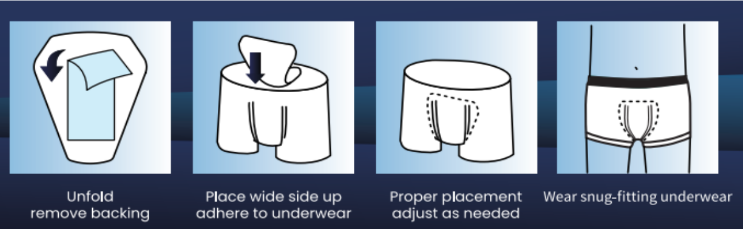
A male guard should wear close-fitting underwear, such as briefs or supportive underwear. The wider absorbent area should face the front of the body, where male leakage protection is most needed. The release paper should be removed, and the adhesive strip should be pressed firmly onto the underwear to keep the guard in place.
Correct use is important because leakage often happens when the pad shifts, folds, or does not sit close enough to the body. Loose boxers are usually not ideal because they do not hold the product firmly against the body.
Recommended user instructions include:
Open the individual wrapper and unfold the guard completely.
Remove the release paper from the adhesive strip.
Place the wider absorbent area toward the front of the underwear.
Press the guard firmly so the adhesive attaches smoothly.
Pull the underwear up and adjust for comfort and coverage.
Replace the guard when it becomes wet, heavy, or uncomfortable.
For retail and private label brands, clear usage instructions on packaging can improve the first-use experience and reduce product misuse. This is especially important because many male users may be new to incontinence products and prefer simple, discreet guidance.
The right absorbency level depends on leakage volume, wearing time, user mobility, and product positioning. A product designed for occasional dribble protection should not be marketed as overnight protection. A higher-absorbency product should still remain discreet enough for daily wear.
BI-Ehealthcare offers men's guard options in different lengths, including 210 mm, 250 mm, and 285 mm. This allows buyers to build a segmented product line for minimum, moderate, and maximum protection needs.
| Size Direction | Typical Positioning | Suitable Use |
|---|---|---|
| 210 mm | Minimum protection | Light dribble protection and discreet daily use |
| 250 mm | Moderate protection | Daily male leakage management |
| 285 mm | Maximum protection | Higher absorbency needs or extended wearing scenarios |
For OEM buyers, absorbency should be validated through testing rather than judged only by pad size. Core design, SAP quality, pulp ratio, liquid acquisition speed, rewet performance, and leakage-barrier structure all affect real product performance.
Comfort depends on softness, dryness, breathability, flexibility, and fit. A male guard is worn close to sensitive skin, so the skin-contact layer should feel soft and remain dry after absorption. The product should also be quiet, discreet, and flexible enough to move with the body.
Key comfort-related material factors include:
Soft nonwoven top sheet: Improves skin-contact comfort.
Fast liquid acquisition: Helps move urine away from the surface quickly.
Balanced SAP and fluff pulp core: Supports absorption without excessive bulk.
Breathable backsheet option: Helps improve wearing comfort in warm climates.
Stable adhesive: Reduces shifting and bunching during movement.
Individually wrapped design: Supports hygiene and discreet carrying.
Odor control is also a major comfort factor. A well-designed male guard should help lock moisture away from the surface and reduce odor concerns during daily use. For many users, odor management is closely linked to confidence and privacy.
A male guard should be changed whenever it becomes wet, heavy, uncomfortable, or after the intended wearing period. Change frequency depends on leakage level, absorbency capacity, activity level, weather, and skin sensitivity.
From a product communication perspective, brands should avoid giving unrealistic all-day claims unless the product has been tested and positioned for that use. Clear guidance helps protect user skin health and improves brand credibility.
For general daily use, packaging can include practical instructions such as:
Change regularly to maintain comfort and hygiene.
Do not flush the used guard.
Wrap the used product before disposal.
Use a higher-absorbency product if leakage exceeds the guard's capacity.
Consult a healthcare professional if leakage is new, severe, or worsening.
Some longer or higher-absorbency male guards may support extended protection, but overnight suitability depends on leakage volume, sleeping position, underwear fit, and product capacity. For men with heavier night leakage, adult diapers or adult pants may provide more reliable full-coverage protection.
For OEM brands, it is better to position overnight products carefully. If a 285 mm male guard is marketed for maximum protection or extended use, the claim should be supported by absorbency testing and clear usage guidance. Overstated claims can lead to leakage complaints and damage user trust.
OEM buyers should evaluate male guards as a complete product system, not only as a price comparison. A low-cost product may become expensive if it leads to leakage complaints, poor repeat purchase, or weak retail presentation.
Before placing an order, buyers should confirm:
Product size and shape options
Absorbency level and test data
SAP and fluff pulp ratio
Top sheet softness and acquisition performance
Backsheet type and breathability
Adhesive strip strength
Odor-control design
Individual wrapper design
Pack count and carton specification
Private label artwork and packaging support
MOQ, lead time, and supply stability
BI-Ehealthcare supports OEM and ODM male guard solutions for global healthcare brands, distributors, and private label hygiene product companies. Buyers can customize product specifications, packaging, and branding according to target market needs.
A male guard is a discreet, anatomically shaped absorbent product for men with light to moderate urinary leakage. Its effectiveness depends on targeted male fit, soft skin-contact materials, reliable SAP absorption, leakage protection, odor control, and secure underwear placement.
For hygiene product brands and wholesale buyers, choosing the right male guard is not only about absorbency. It is about matching product performance, comfort, packaging, and market positioning. BI-Ehealthcare provides customizable male guard OEM and ODM solutions for brands that need professional male incontinence products with stable manufacturing support.
A male guard is a disposable absorbent pad designed for men with light to moderate urine leakage. It is worn inside close-fitting underwear and shaped to fit male anatomy.
No. A male guard is a pad placed inside underwear for targeted leakage protection, while an adult diaper is a full-coverage absorbent garment for heavier incontinence or care support.
A male guard is suitable for men with light to moderate bladder leakage, post-urination dribble, stress leakage, or temporary leakage after certain urological procedures.
Close-fitting underwear is recommended. Loose boxer shorts may not hold the guard close enough to the body, which can increase movement and leakage risk.
Common materials include a soft nonwoven top sheet, fluff pulp, SAP absorbent core, PE bottom sheet, release paper, adhesive strip, and individual PE wrapper.
Yes. OEM manufacturers can customize size, absorbency, material structure, packaging, pack count, branding, and carton specifications according to market requirements.